A BRAND IS A PROMISE TO A CUSTOMER.
It‘s what they can expect from the company, their products or their services.
It’s what differentiates a freelancer or a company from their competitors.
Why is it important?
Branding is a huge part of your design career, possibly even the most important part when it comes to branding yourself. It gives you a good opportunity to:
- Reflect on the work you enjoy.
- Understand yourself and your work.
- Decide what work to create and show.
- Define how you want to be seen.
- Portray your personality.
- Highlight your strengths.
- Select your target audience.
- Identify your competition.
Who are you?
*CUE CSI THEME SONG*
Branding with the Design Thinking process allows iterative, flexible and focused design, with an emphasis on bringing ideas to life based on how real users think, feel and behave. Design Thinking tackles complex problems by:
Empathising: Understanding the needs involved.
Defining: Re-framing and defining the problem.
Ideating: Creating many different ideas.
Prototyping: Adopting a hands-on approach to designing, and designing more than thinking.
Testing: Developing varius solutions to the problem and picking the most appropriate.
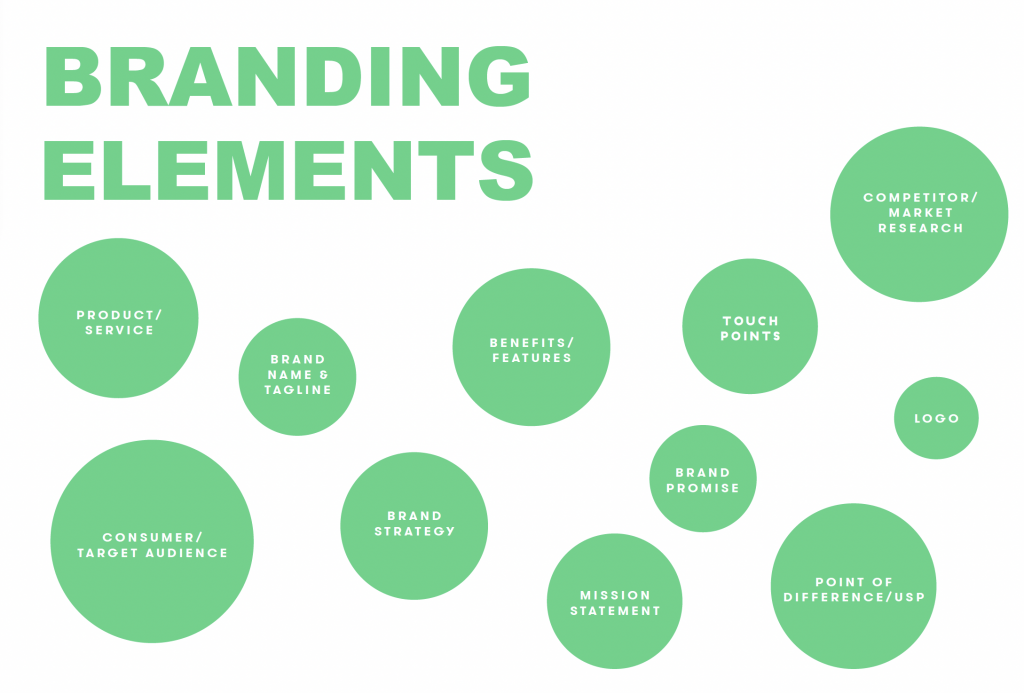
What do you need to start?
It’s a good idea to write out a brief that:
- describes your client (you).
- shows your intent and objectives.
- details your target audience.
- identifies the deliverables.
- highlights the competition.
- conveys the tone, message and style.
- shows the budget and timeline.
At the end, you’ll want to end up with:
- A colour palette with RGB/CMYK/hex codes.
- A logo/logotype + wordmark.
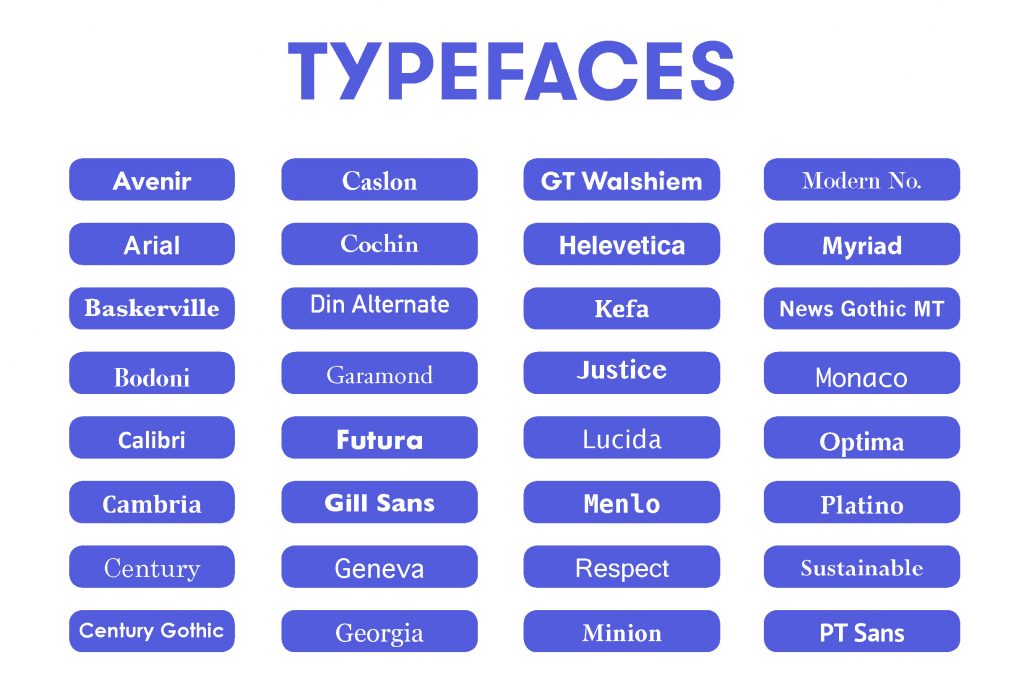
- Heading + body typefaces.
- Some inspirational images + styles.
- Your brand values, tone, message, style and some general do/don’ts.
What is Design Thinking?
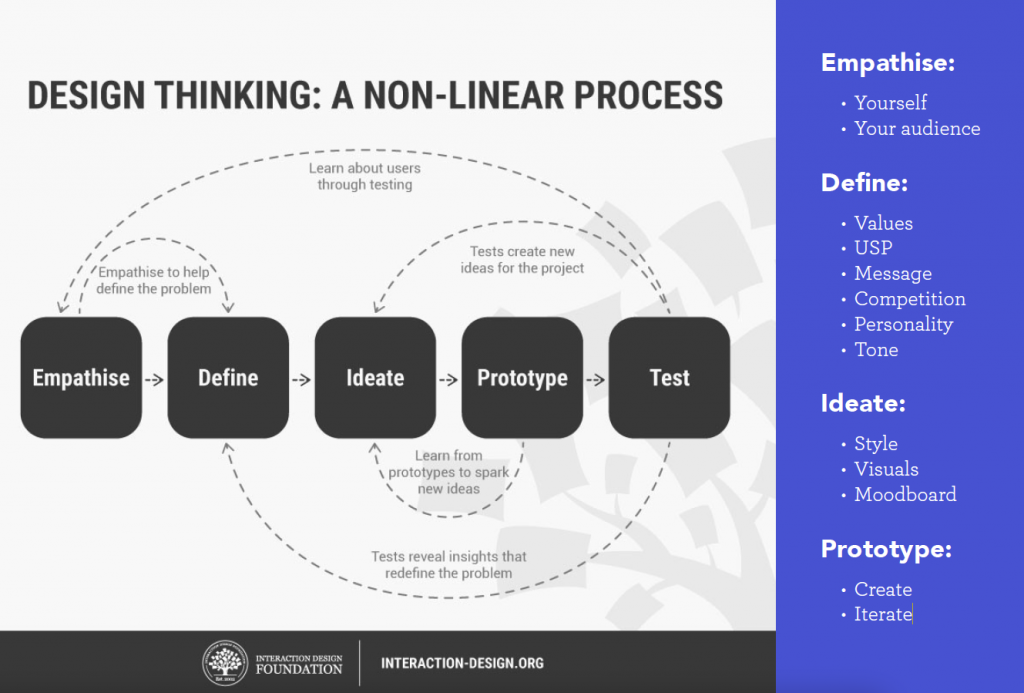
Empathise:
- Understanding yourself, what you can offer, what you’re good at, where your strengths are.
- Understanding your target audience, how they think, what they want, what they value.
Define:
- Your values, how you work, what you stand for, what’s important to you.
- What is your Unique Selling Point? What can you offer that no one else can? How can you differentiate yourself from your competition?
- What is your key message? What are you trying to convey or get accross to your target audience?
- Who are your competition? What differentiates them? What are their values and USPs?
- What’s your personality? Are you friendly and approachable or classic and formal?
- What’s your tone? How does your brand talk?
Ideate:
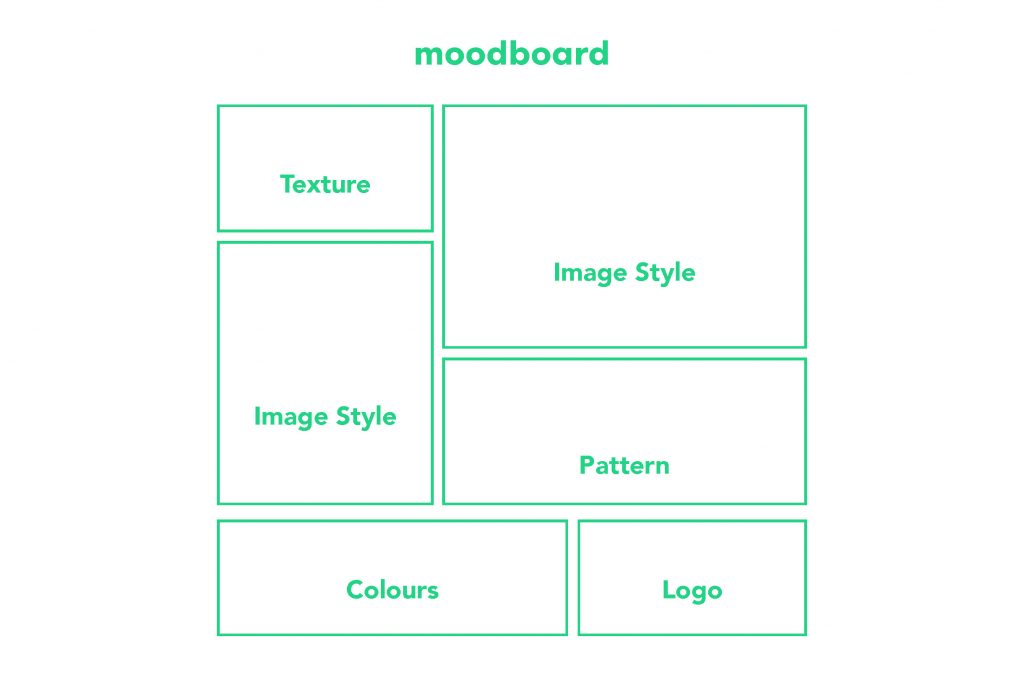
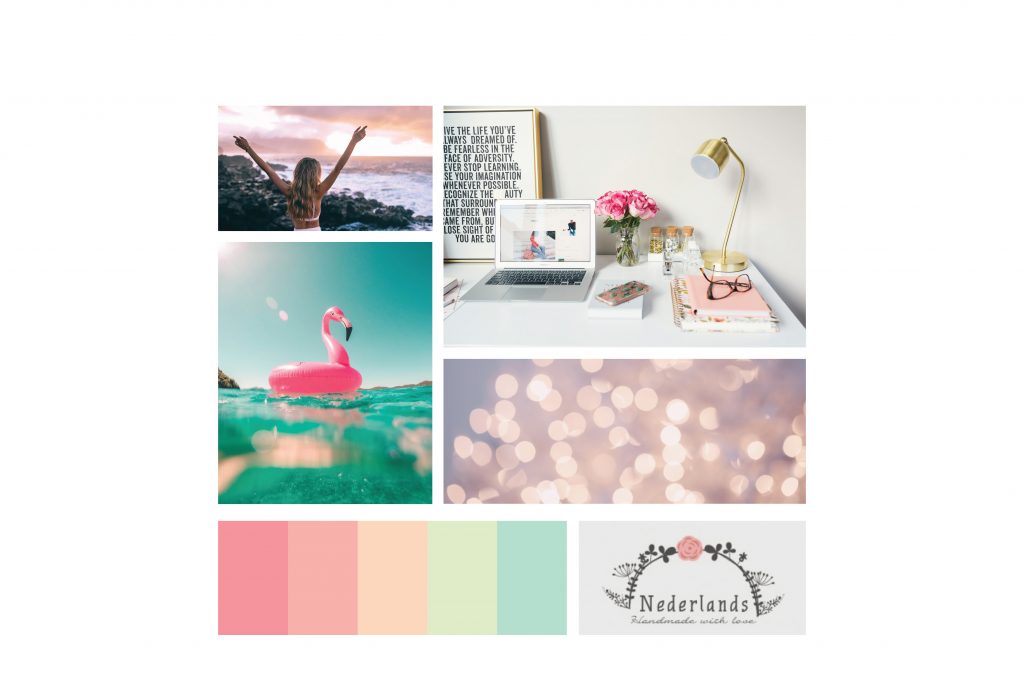
- Create a variety of different moodboards
- Try out different visual styles &
- Try out different logos, colours & fonts
Prototype:
- Create your assets to a high standard
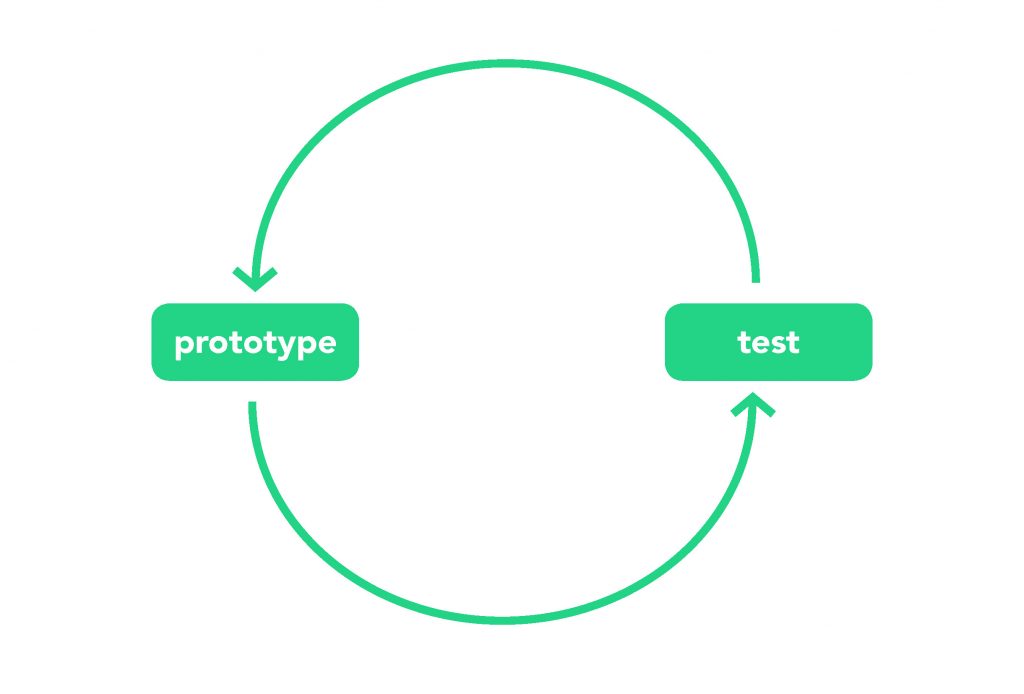
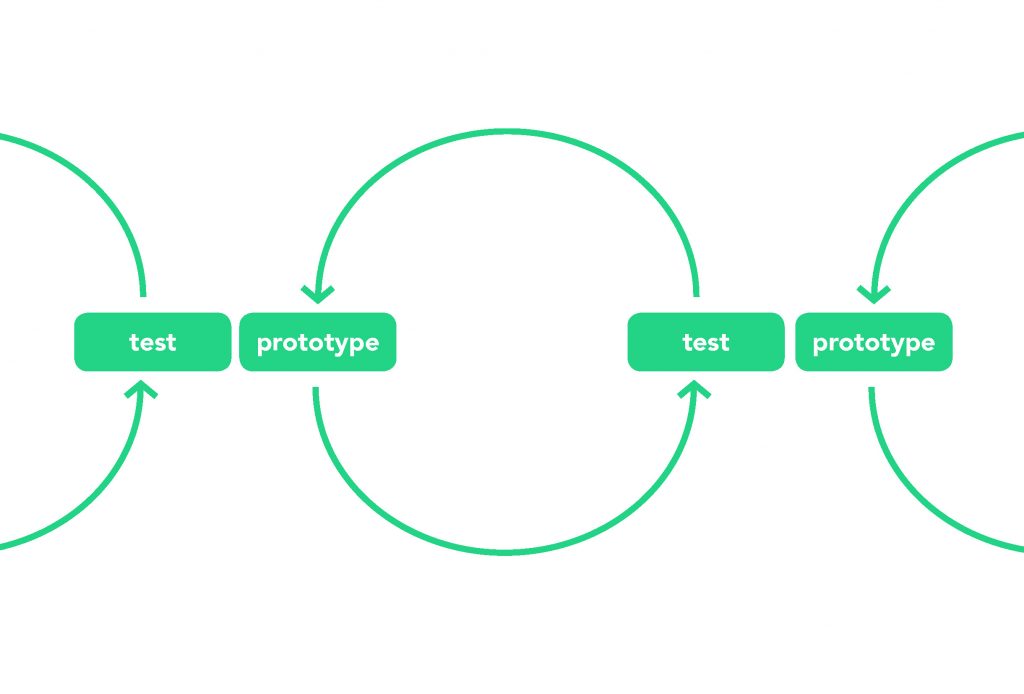
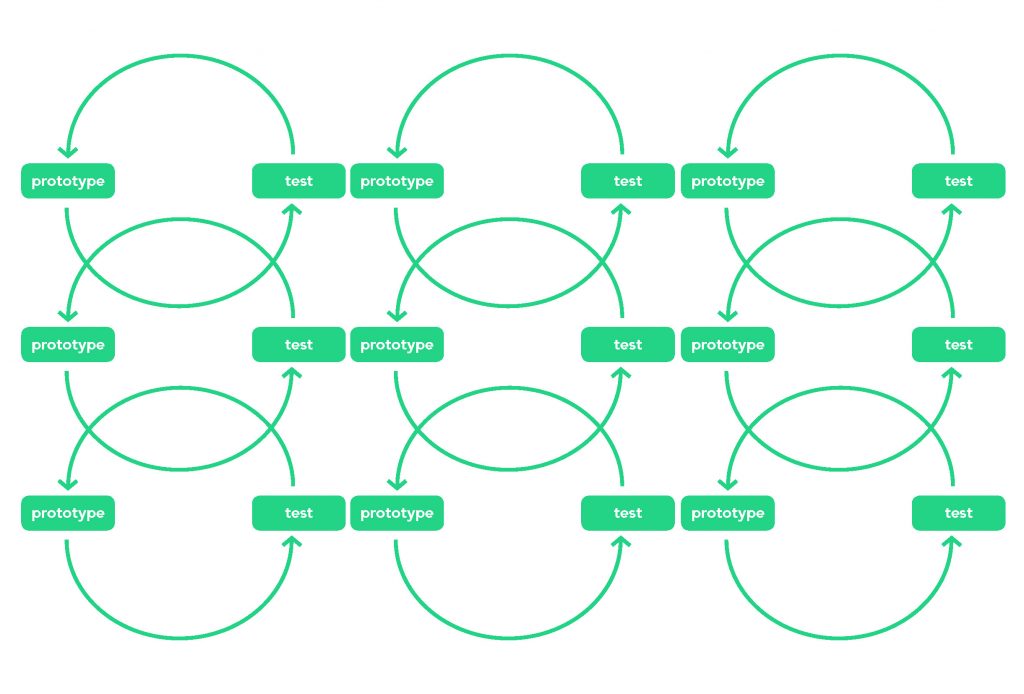
- Iterate and try different solutions
Test:
- Show your designs to your friends and family
- Try impressions testing and see how people respond to your different solutions.
- Find people in your target audience to give you constructive feedback
Activity:
Write down some keywords about yourself on some post it notes. Try to keep it to one or two words per post it note.
Brainstorm as many things that relate to yourself as you can – think about your personality, strengths, likes, colours, style, descriptions etc etc.
Once you’re done, categorise the post it notes that have similarities. Look for connections or topics that you can use in your branding, like: visuals, tone, message, images, style, personality, values etc.
Analyse yourself:
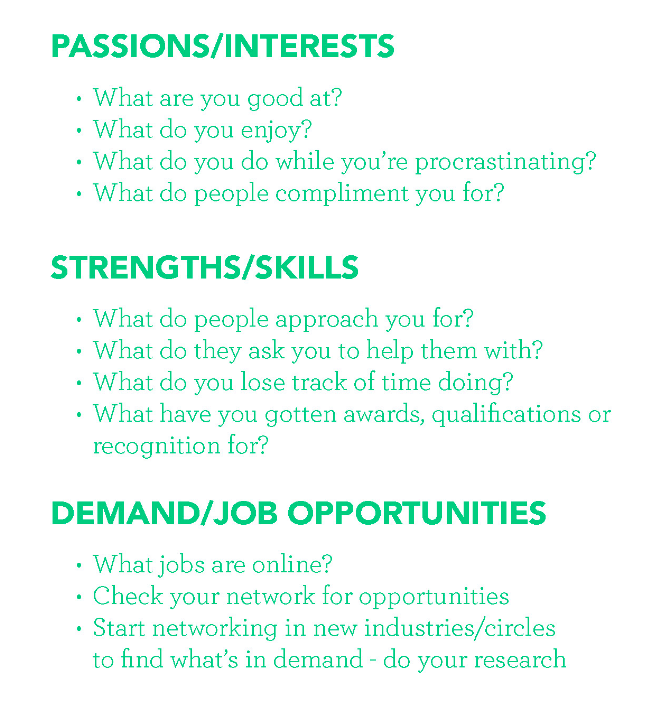
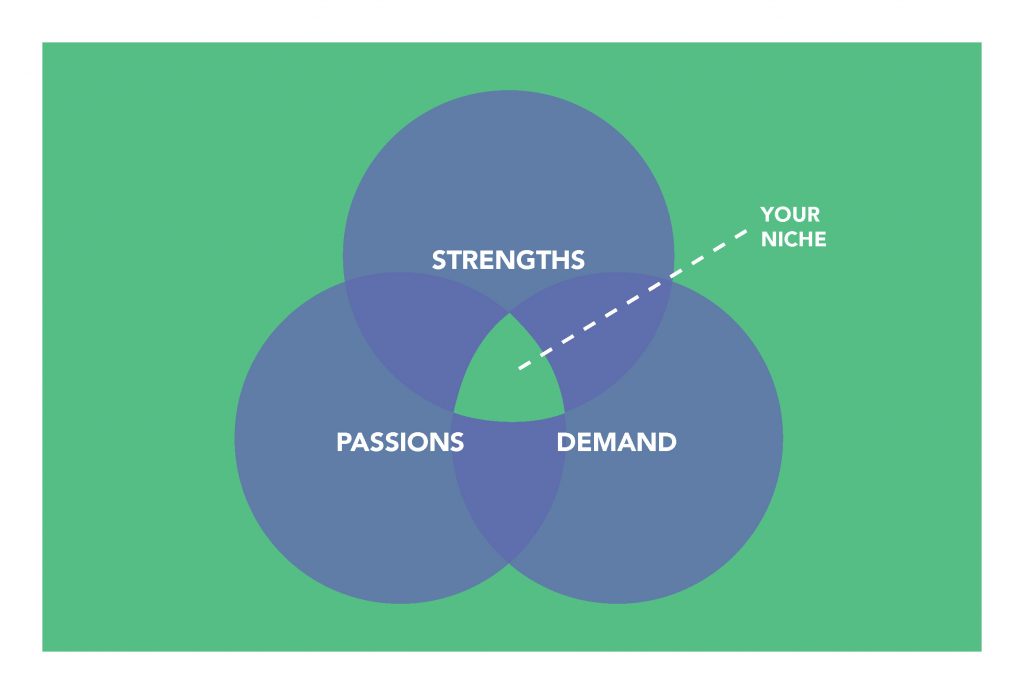
Who is your target audience?
• What do they look like?
• Where do they spend their time and money?
• What’s special or unique about your audience?
• Why do you want to help them?
• How do you want them to feel afterwards?
Wanna go one step further?
• Do some market research & surveys
• Create a persona and do an empathy map – More info: https://www.nngroup.com/articles/empathy-mapping/
• Conduct some interviews
MESSAGE, TONE & STYLE
Your Core Goals and Personality/Message:
- Who are you and what are you trying to do?
- What are your services/offerings?
- What is your USP, your top values, why should they hire you over another person?
Tone of voice:
- What tone are you trying to convey? Do you want to be professional, playful, or a combination?
- What feelings do you want to evoke?
- Tone/vibe – what are some key words that you want to describe your brand?
Visuals and Style:
- What sort of style fits you?
- Does your style fit your services?
- What type of people are you wanting to attract?
What are your top values?
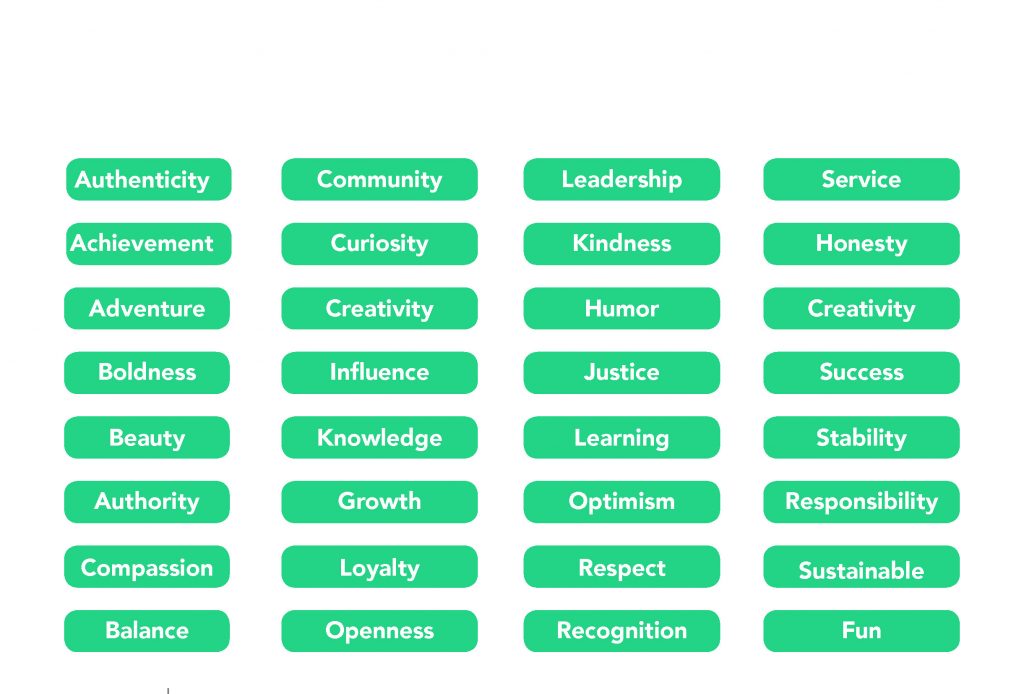
What is your personality? Are you more:
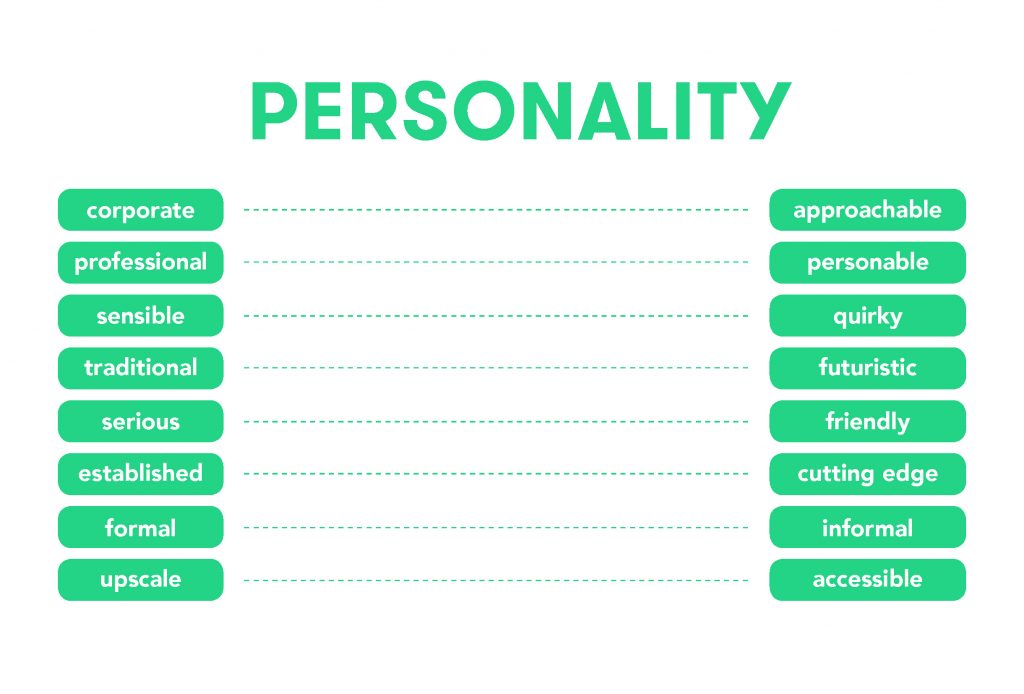
M
inimalist + Modern
- Core feel: Clean, simple, and sophisticated.
- Key traits: Lots of negative space, sleek sans-serif fonts, and a restrained, neutral color palette with a single accent color.
- Example: Apple or minimalist fashion labels.
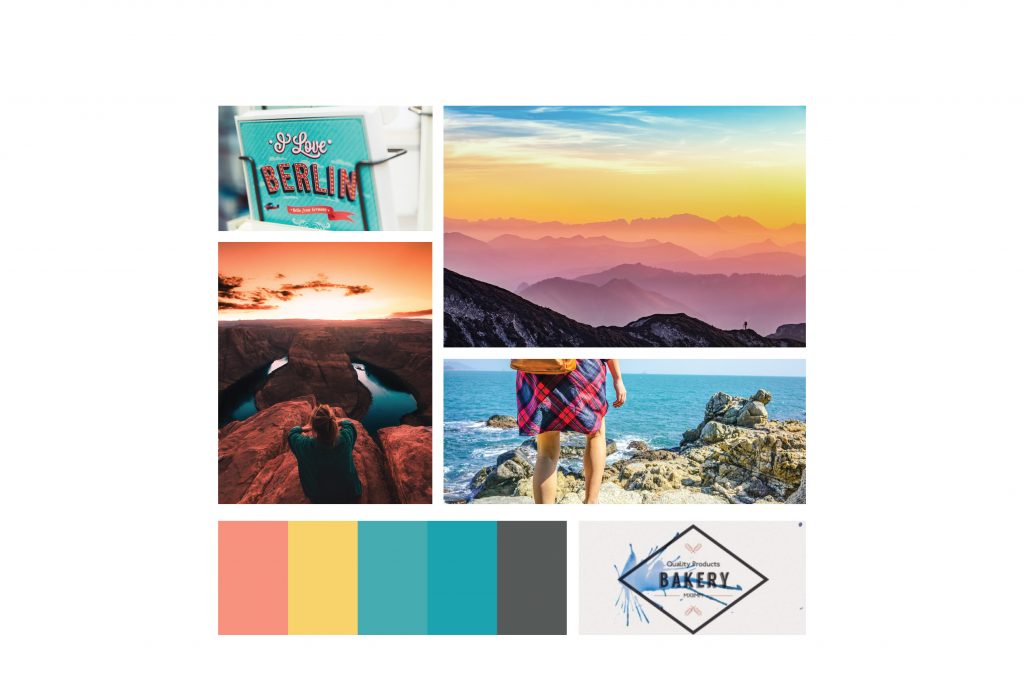
Bright + Bubbly
- Core feel: Energetic, playful, and bold.
- Key traits: High-contrast vibrant colors, hot pinks, yellows, playful typography, and fun geometric shapes or confetti-like accents.
- Example: Pop-culture beverage or snack brands.
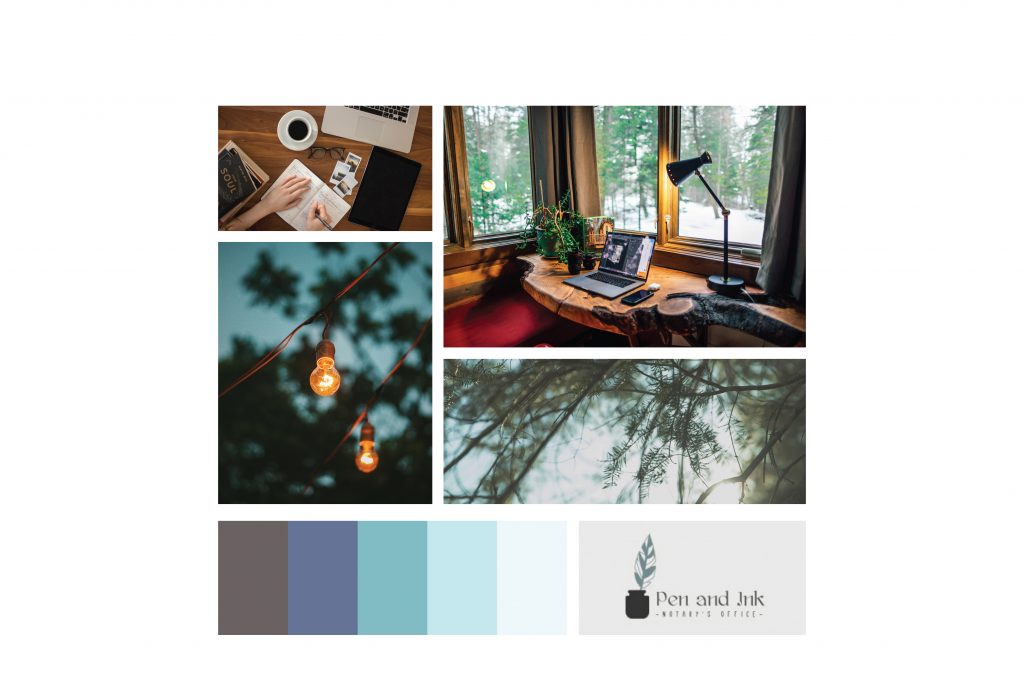
Cool + Calming
- Core feel: Soothing, grounded, and organic.
- Key traits: Muted earth tones, soft greens, blues, natural textures, and gentle, flowing patterns.
- Example: Eco-friendly skincare and wellness companies.
Corporate + Authoritative
- Core feel: Trustworthy, reliable, and professional.
- Key traits: Deep blues, grays, structured grids, and conservative, legible serif or clean sans-serif typography.
- Example: Global banks and legacy tech firms like IBM.
Rustic + Heritage
- Core feel: Authentic, traditional, and crafted.
- Key traits: Warm browns, muted reds, vintage badges, stamp-style logos, and textured, craft-paper backgrounds.
- Example: Artisanal coffee roasters and local craft breweries.
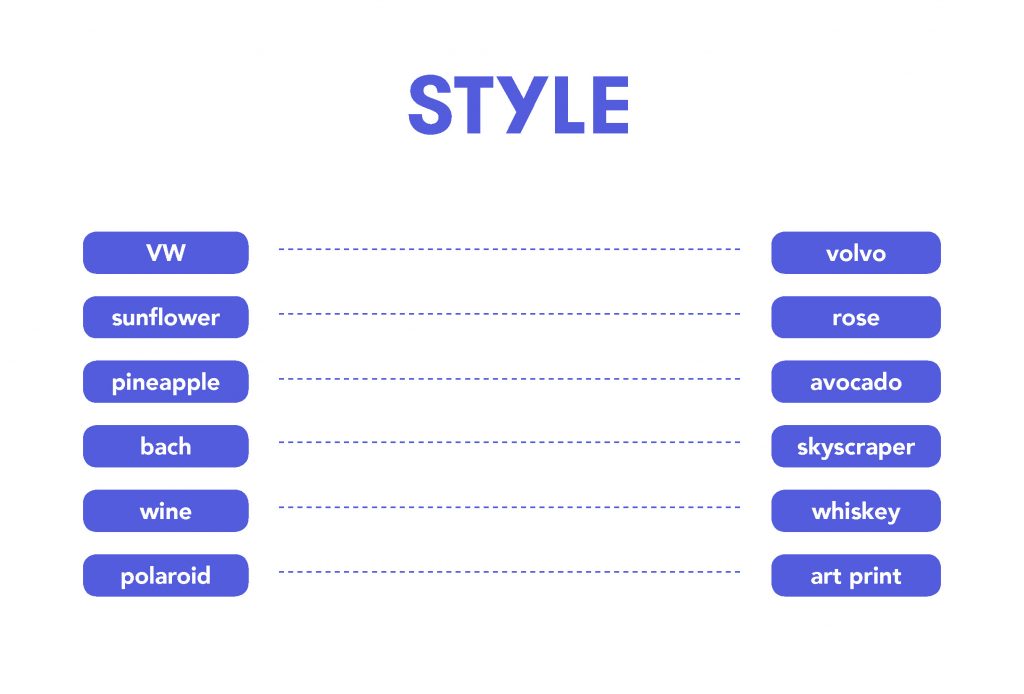
Some examples are:
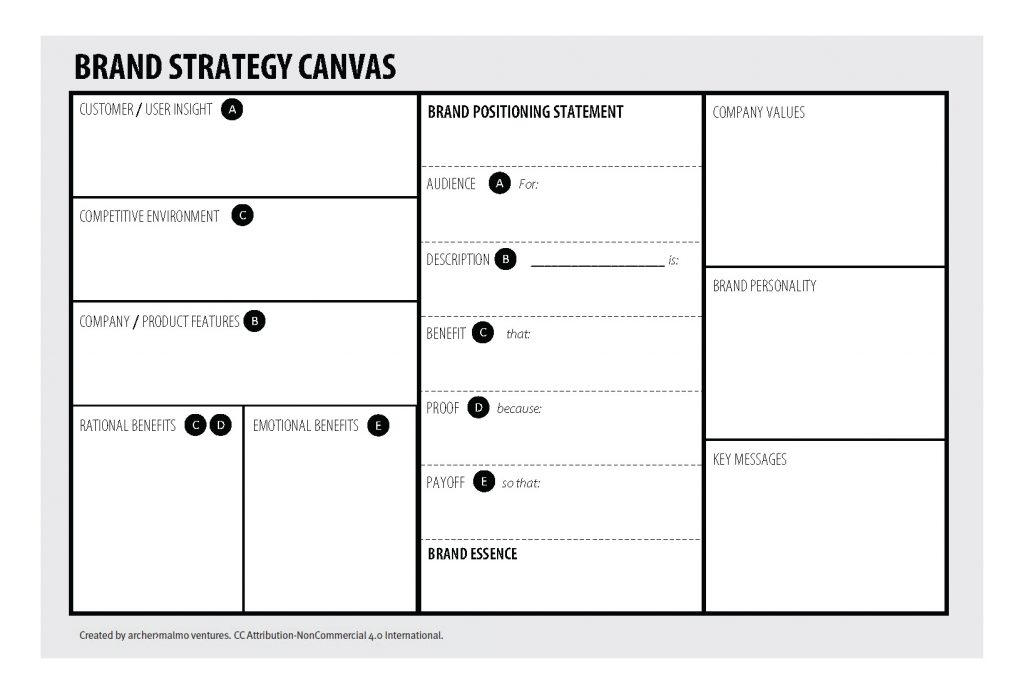
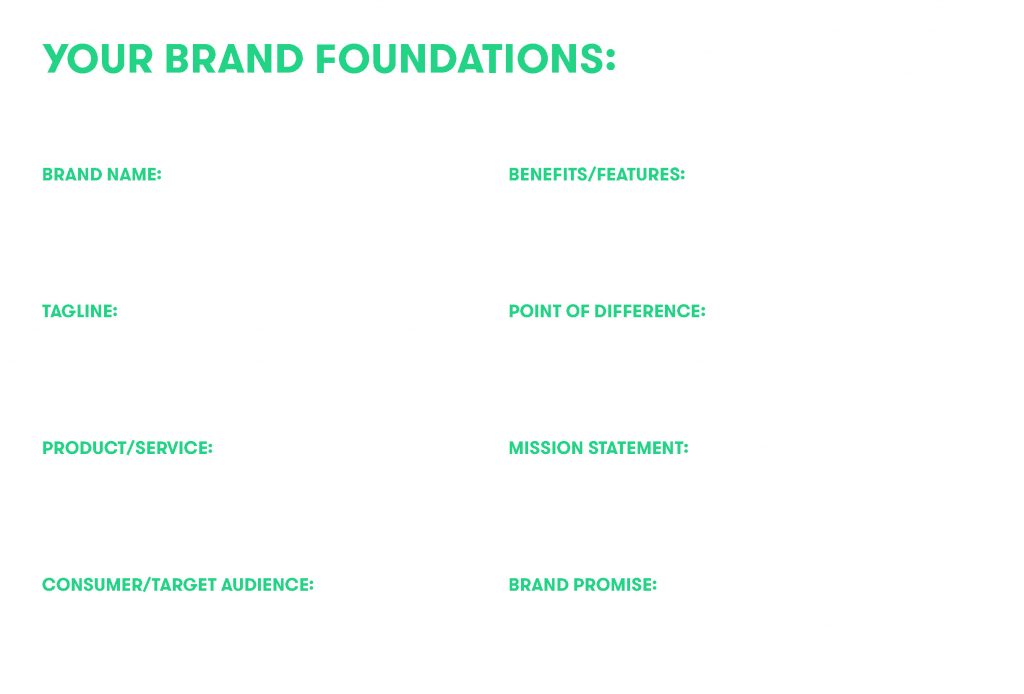
2-5 core brand values
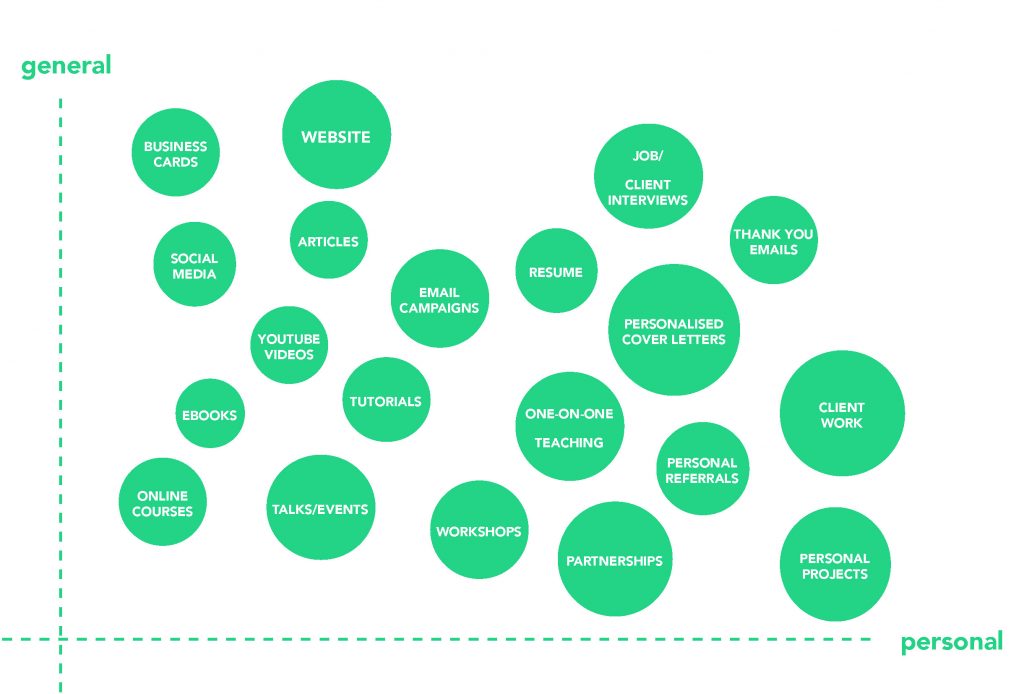
Offerings, USP 1 x heading and 1 x body font Moodboard of imagery and colour palette of 2-5 colours Touch points – business cards, cv, cover letter, web presence
Comparing Multiple Variations
Often, showing people more than one possible visual designs helps them identify what they like (or dislike) about each variation. If you ask participants to assess more than one design, be sure to vary the order in which they see the alternatives, since part of people’s response may be influenced by which version they see first.
For example, if one version is easier to understand, those who see that one first will have learned about the content and will be less confused by the other variation. Keep track of which version each person sees first, so you can take it into account when analyzing responses.
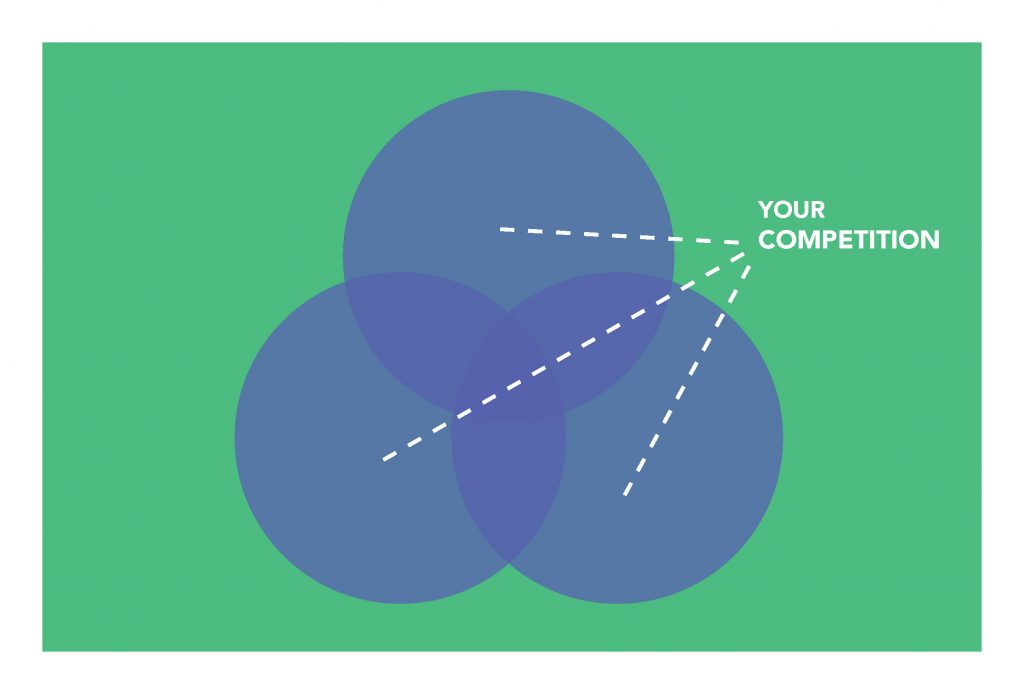
Identify your competition:
- Who else is in the same niche as you?
- What style of branding do they have?
- What makes each of them special?
Differentiate yourself from them:
- What can you offer that they cannot?
- How can you stand out from them?
- How can you highlight your unique selling point?
Wanna go one step further?
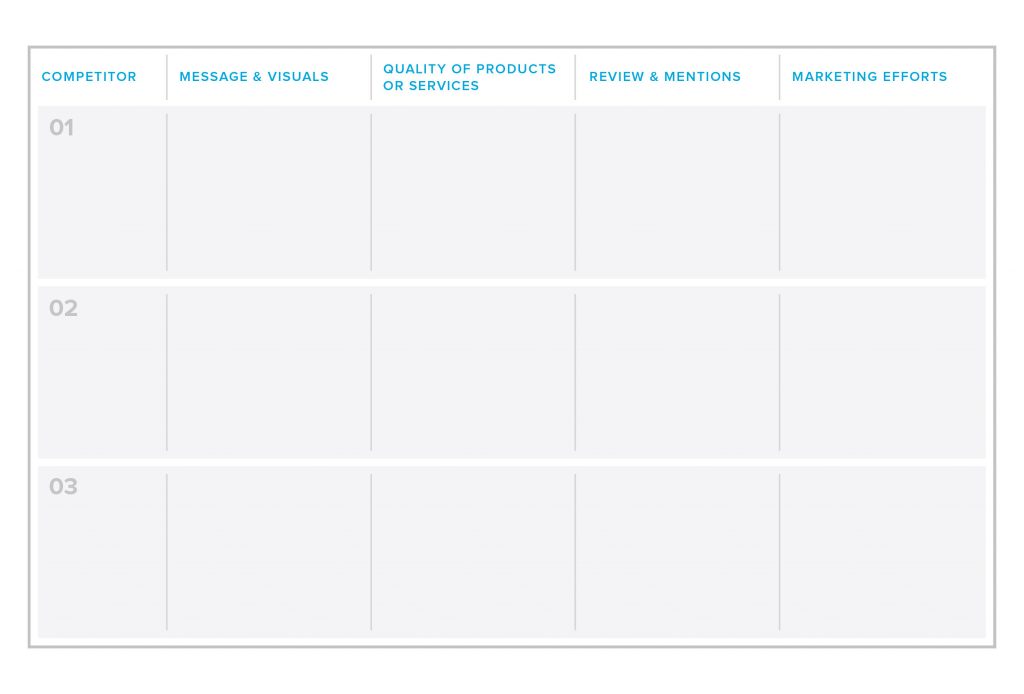
- Do a competitive analysis.
- Take notes and do a case study on them.
What are your touch points?
The deliverables:
do you need a logo, logotype or wordmark?
what digital outcomes might you need?
what printed outcomes might you need?
The visuals:
what style are you after?
what colours do you want to use?
what heading and body typefaces will you use?
The budget & timeline:
what is your budget?
when do you need it completed by?
what is your estimated timeline?
do you need to adjust anything to meet these requirements?
Test & get Feedback
Try it out:
Use it for a while or work with it, have it open on your desktop or print out a copy and stick it up somewhere you’ll see it. See how long you still like it for!
Get feedback! There are two ways in which you can achieve this goal:
5-second test:
5 Second Test: If you want first impressions, present the visuals to a viewer for a short amount of time. Show the viewer your branding for 5 seconds (or for another short period of time). This approach is best for accurately capturing people’s ‘gut reaction.’ 5 seconds of viewing time is too short for reading copy or for noticing details like specific fonts or colors, but it is enough for forming an impression which accurately reflects the visual style.
Assessing Reactions:
Once you’ve shown people your design, the next step is to measure their responses. Here are a few techniques that can be used, from completely open-ended to highly structured:
Open-ended preference explanation: Ask users to explain why they like a design.
Emotional response: Ask them how they feel when they see it and what it makes them think about
Open word choice: Ask users to list 3 to 5 words that describe the design.
Closed word choice: Provide users with a list of words and ask them to pick the words which best describe the design.
Numerical ratings: Collect numerical ratings about how much the design exhibits specific brand qualities using a rating system or a repertory grid.