
Overview (Client / Company)
TIP: 1 – 3 sentence summary of the company or product.
After reading this, someone should get the “gist” of what this product or company was all about and the primary goal of the project.
Problem Statement
TIP: What was the purpose of this project? What problem was this trying to solve? Or if it was a research project, what were you trying to learn?
After reading this, someone should have a clear understanding of why this project exists, and what problem it was created to solve.
“This packaging design is my summative project at Yoobee School of Design (YSD). The brief is to create a packaging design for a fictional place of our choice and I came of with the idea of creating a packaging for rice bag during Vietnamese war (1960s)
In addition to creating a packaging design, we are also required to come up with the ideas of a corporate company logo and a product logo for the packaging”
Users & Audience
TIP: Who was the user of this product?
Sometimes, that might also be internal stakeholders. Were there use cases, personas etc? Get specific, don’t just refer to them as “users”.
Roles & Responsibilities
TIP: What did you do? How big was the team? What were the other roles on the project team? Was this conducted remote? Was there an external company or partner involved?
This is crucial because people want to know that you can collaborate with others, and if you can show any ‘real world’ context, the more, the better.
Scope & Constraints
TIP: Where there unique factors for this project? A short timeline? A small budget? Did the scope change during the project?
Provide some context about what you had to work with on this project.
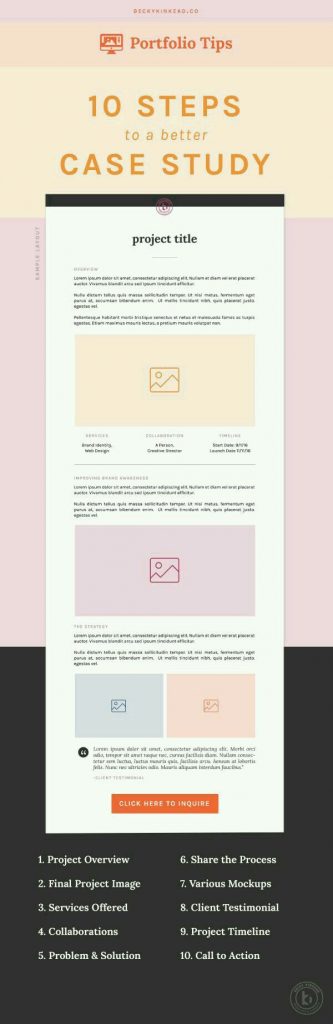
Process & What You Did
TIP: This will be the bulk of the case study, but for this outline focus on addressing the high level of what you did.
Think of this like a set of instructions or recipe, so that if someone else had to do this project, they could see the steps they’d need to take.
Consider including some rough drafts or early process images, as this shows a bit more detail into how you work.
)

Outcomes & Lessons Learned
TIP: What happened in the end? Did you reach the goal that you had at the beginning of the project?
If it was a research project, did you learn what you wanted to learn? If it was an MVP, did it work/launch?
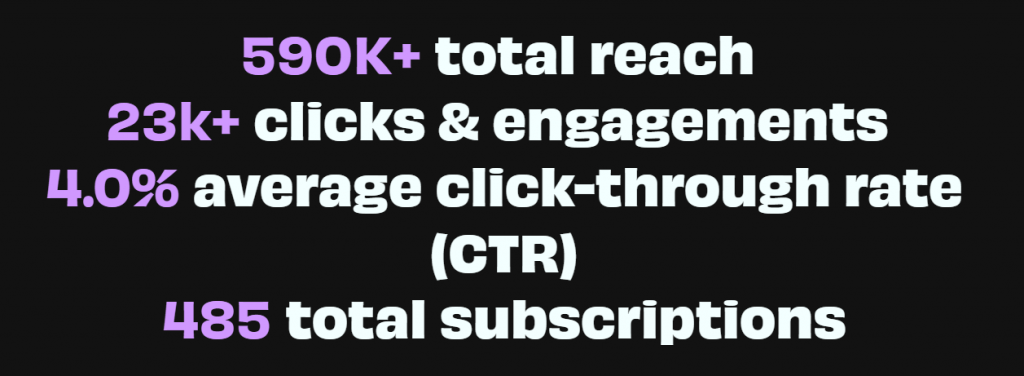
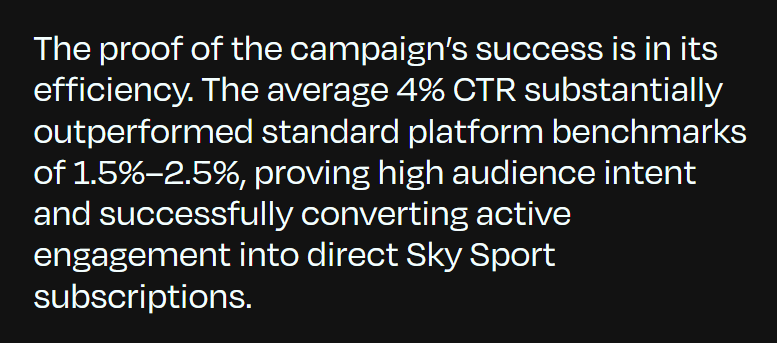
If you have any quatifiable outcomes, such as numbers, benefits, testimonials etc, make sure to include them:
Don’t forget to be reflective and consider things like: what did you learn, did anything go wrong, what would you do differently next time etc.
Differentiating Yourself:
How can you stand out from others? What do you have, in terms of skills, knowledge or personality traits that can set you apart from the other people in your area?
Are you a graphic designer who can animate? An interaction designer who can do video? Are you a web dev who can do photography too? Can you create one thing a thousand ways? See Daily Drop Cap & Portfolio – Zeka Design
MOUS Handcoded Website :: Behance
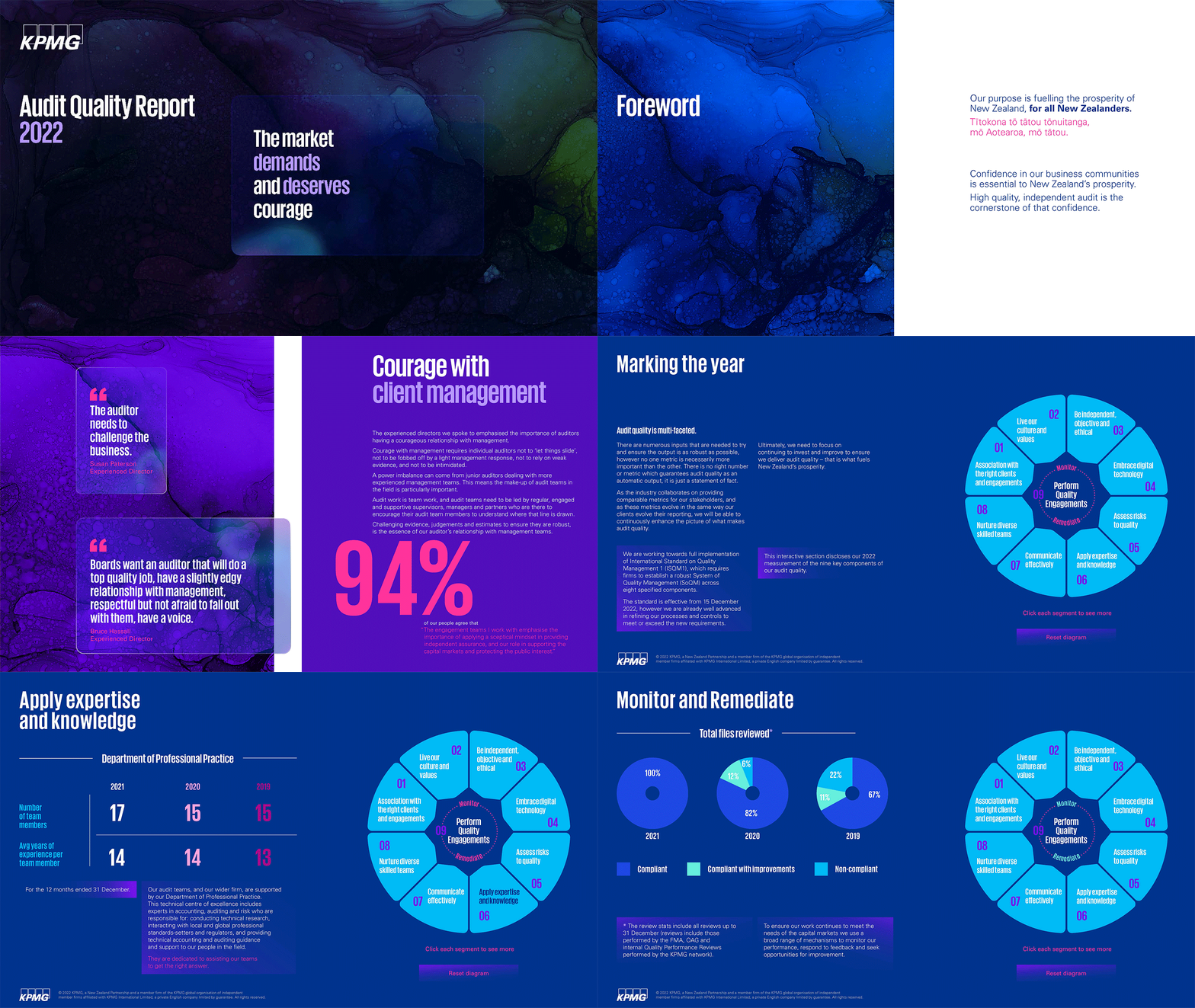
KPMG-Audit-Quality-2022_GIF_1440px-x-810px.gif (1440×810)
Further resources:

UXfolio Case Studies https://pin.it/7f8ZFjHop
Beginner UX portfolio examples: what juniors should include
UXfolio x Career Creators: The 6 questions every UX portfolio must answer
UX Portfolio Building Masterclass – Part 1: How to Set Your Portfolio Up for Success
UX Portfolio Building Masterclass – Part 2: How to Craft Winning UX Case Studies
The Ultimate UX Case Study Template & Structure (2026 Guide)
UI Designer Portfolio Examples with Real Interface Decisions
—
How to Make an Impressive Career Portfolio? Your One-step Guide with Examples – UXfolio Blog
Digital Portfolio: Examples and Best Practices for Building Yours
7 UX Case Study Mistakes to Avoid | Boost Your UX Portfolio
Everything you need for a job-winning web design portfolio – UXfolio