A BRAND IS A PROMISE TO A CUSTOMER.
It‘s what they can expect from the
company, their products or their services.
It’s what differentiates a freelancer or a company from their competitors.
Why is it important?
Branding is a huge part of your design career, possibly even the most important part when it comes to branding yourself. It gives you a good opportunity to:
- Reflect on the work you enjoy.
- Understand yourself and your work.
- Decide what work to create and show.
- Define how you want to be seen.
- Portray your personality.
- Highlight your strengths.
- Select your target audience.
- Identify your competition.
Who are you?
*CUE CSI THEME SONG*
Branding with the Design Thinking process allows iterative, flexible and focused design, with an emphasis on bringing ideas to life based on how real users think, feel and behave. Design Thinking tackles complex problems by:
Empathising: Understanding the needs involved.
Defining: Re-framing and defining the problem.
Ideating: Creating many different ideas.
Prototyping: Adopting a hands-on approach to designing, and designing more than thinking.
Testing: Developing varius solutions to the problem and picking the most appropriate.
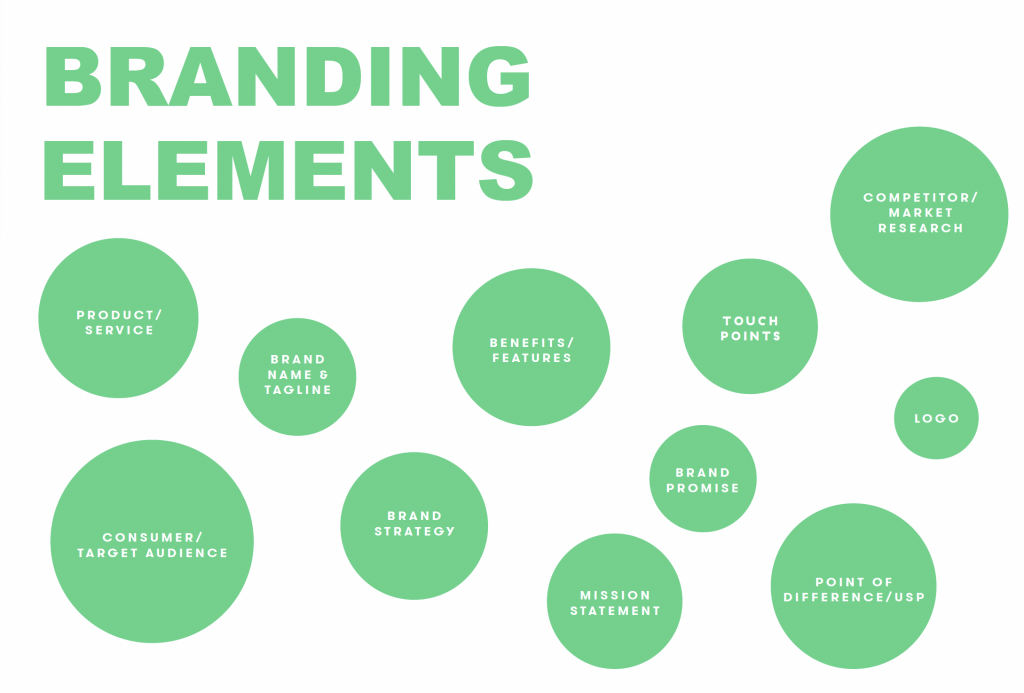
What do you need to start?
It’s a good idea to write out a brief that:
- describes your client (you).
- shows your intent and objectives.
- details your target audience.
- identifies the deliverables.
- highlights the competition.
- conveys the tone, message and style.
- shows the budget and timeline.
At the end, you’ll want to end up with:
- A colour palette with RGB/CMYK/hex codes.
- A logo/logotype + wordmark.
- Heading + body typefaces.
- Some inspirational images + styles.
- Your brand values, tone, message, style and some general do/don’ts.
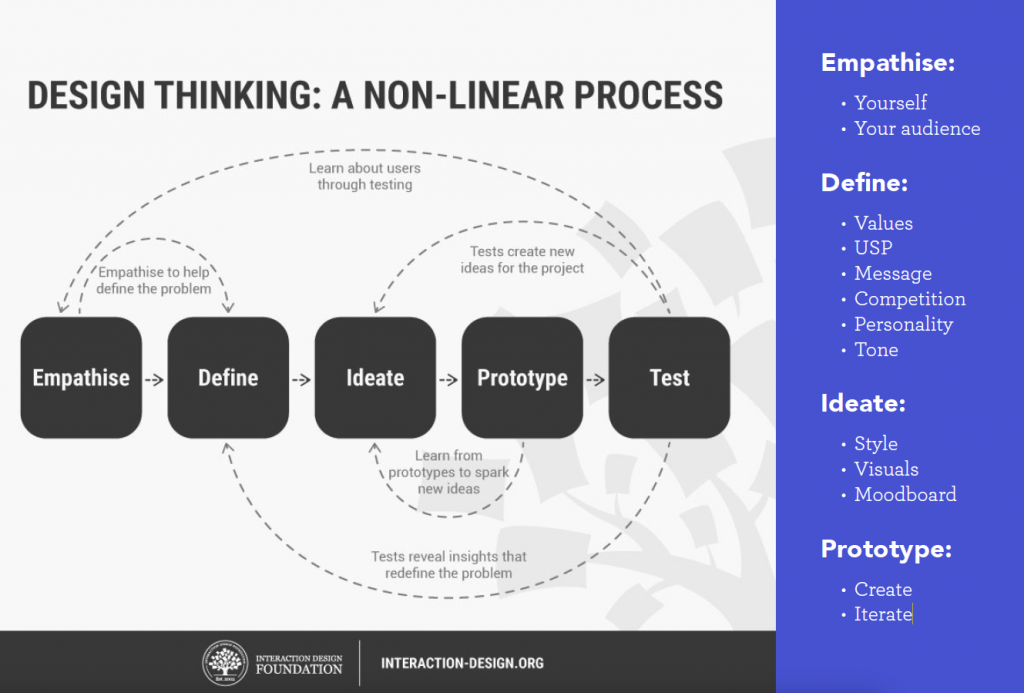
Empathise:
Understanding yourself, what you can offer, what you’re good at, where your strengths are.
Understanding your target audience, how they think, what they want, what they value.
Define:
Your values, how you work, what you stand for, what’s important to you.
What is your Unique Selling Point? What can you offer that no one else can? How can you differentiate yourself from your competition?
What is your key message? What are you trying to convey or get accross to your target audience?
Who are your competition? What differentiates them? What are their values and USPs?
What’s your personality? Are you friendly and approachable or classic and formal?
What’s your tone? How does your brand talk?
Ideate:
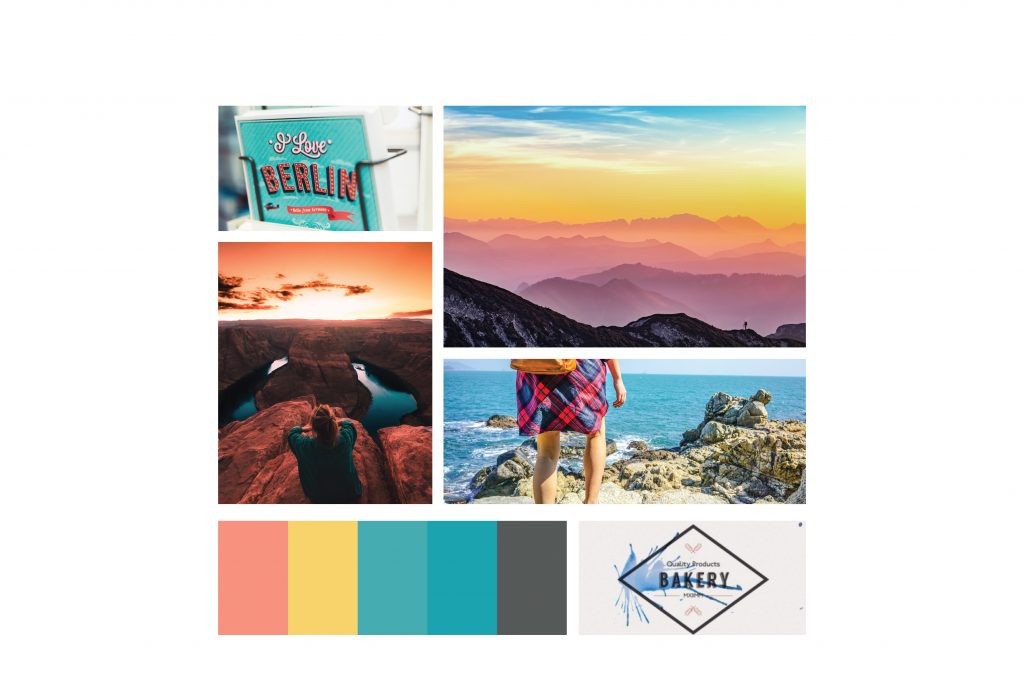
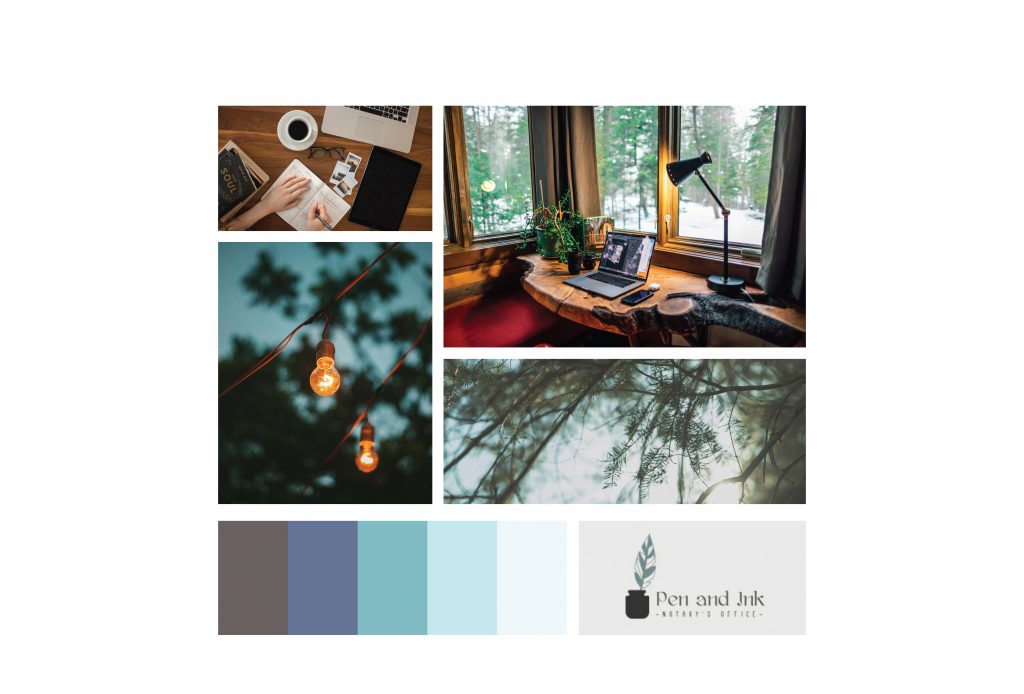
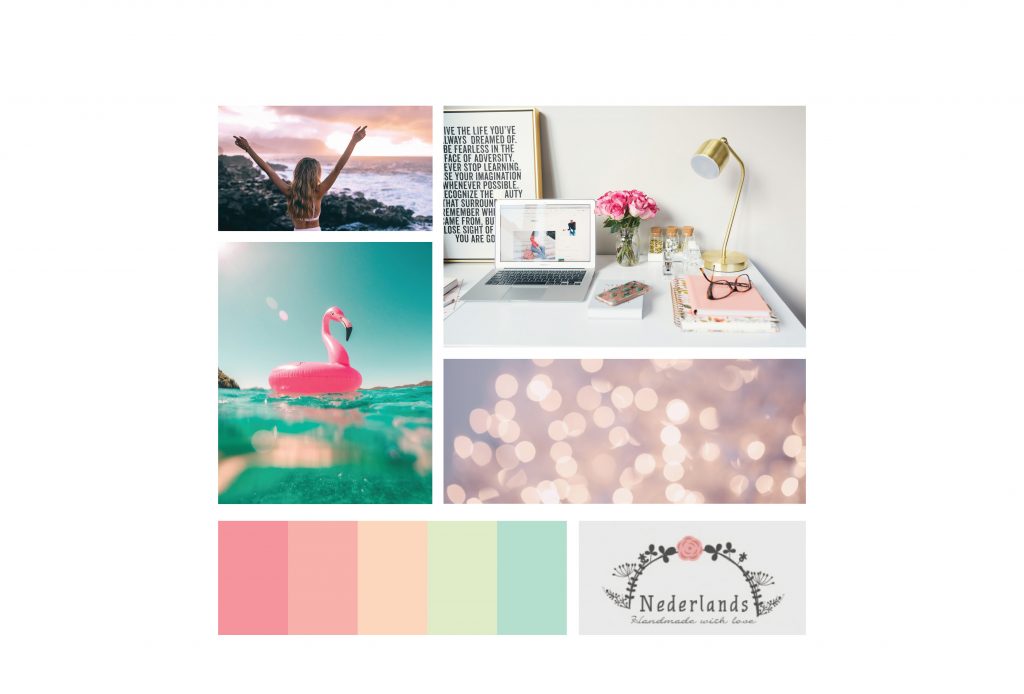
Create a variety of different moodboards
Try out different visual styles &
Try out different logos, colours & fonts
Prototype:
Create your assets to a high standard
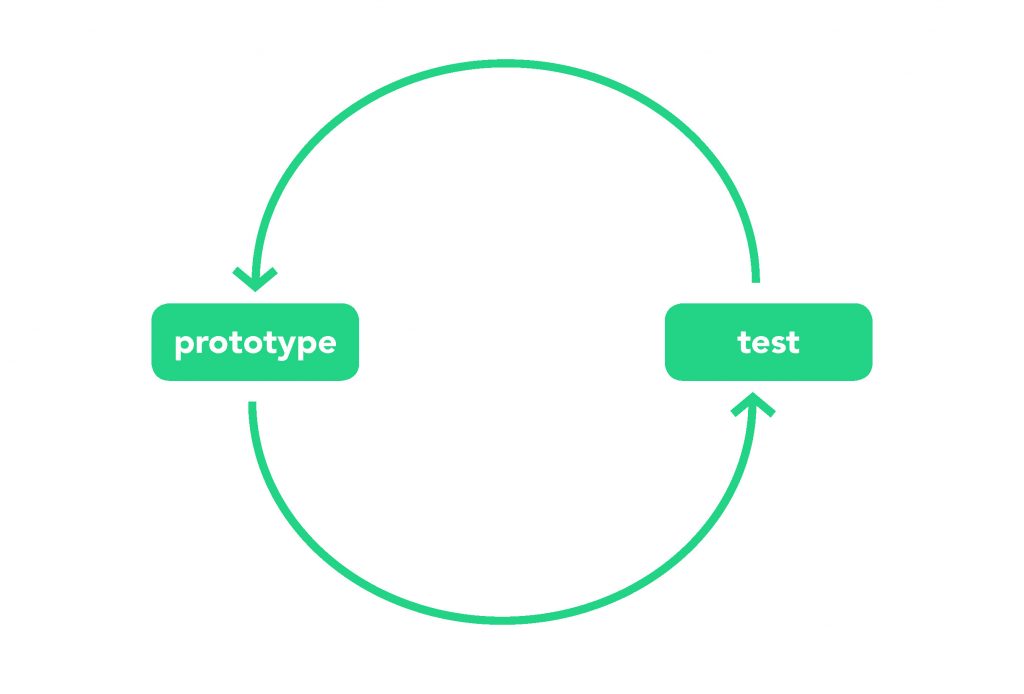
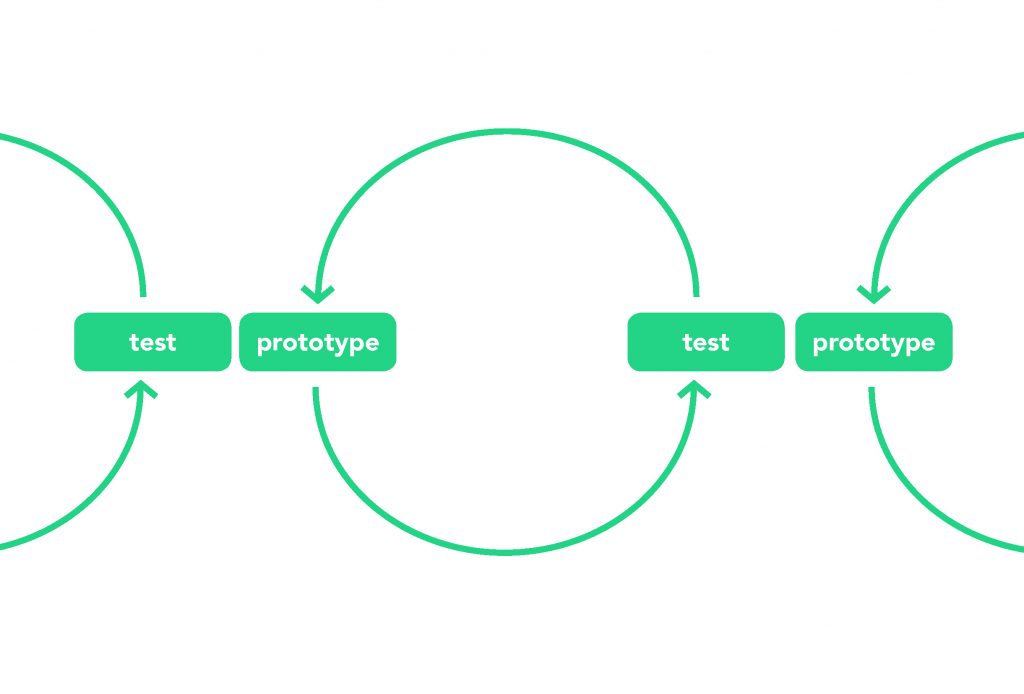
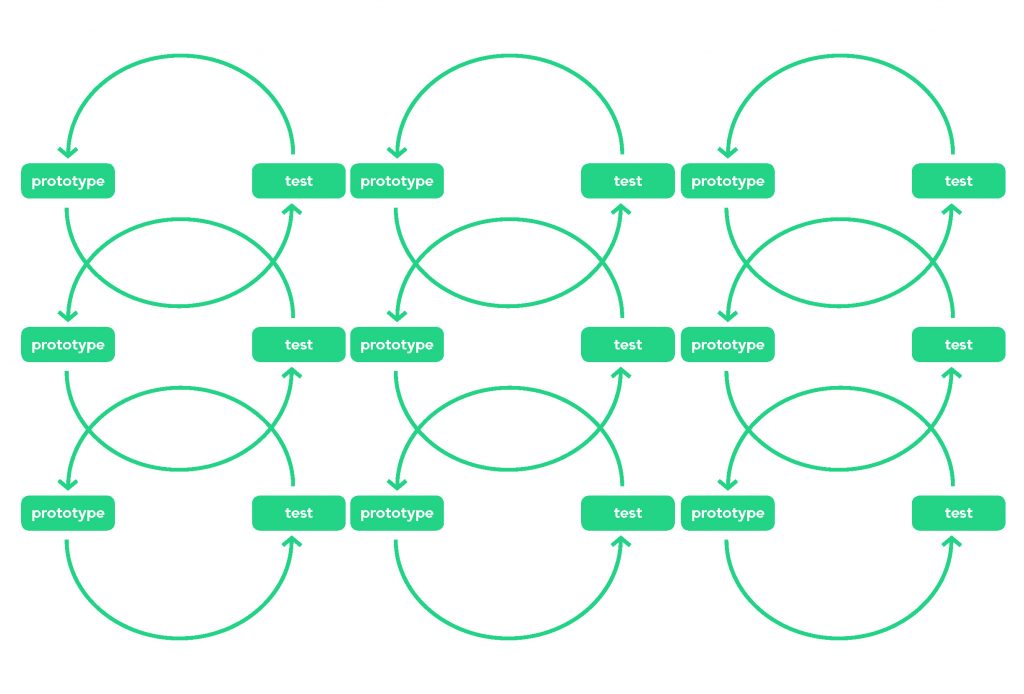
Iterate and try different solutions
Test:
Show your designs to your friends and family
Try impressions testing and see how people respond to your different solutions.
Find people in your target audience to give you constructive feedback
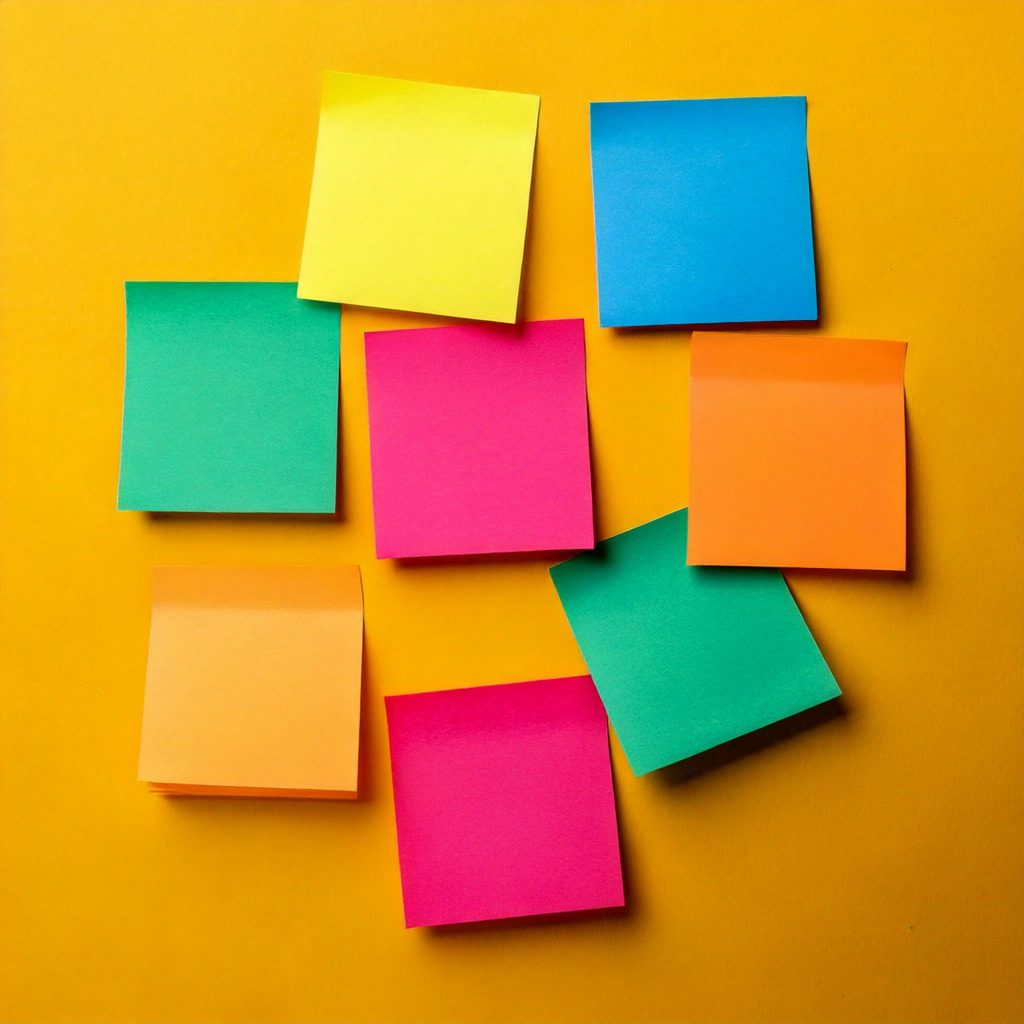
Activity:
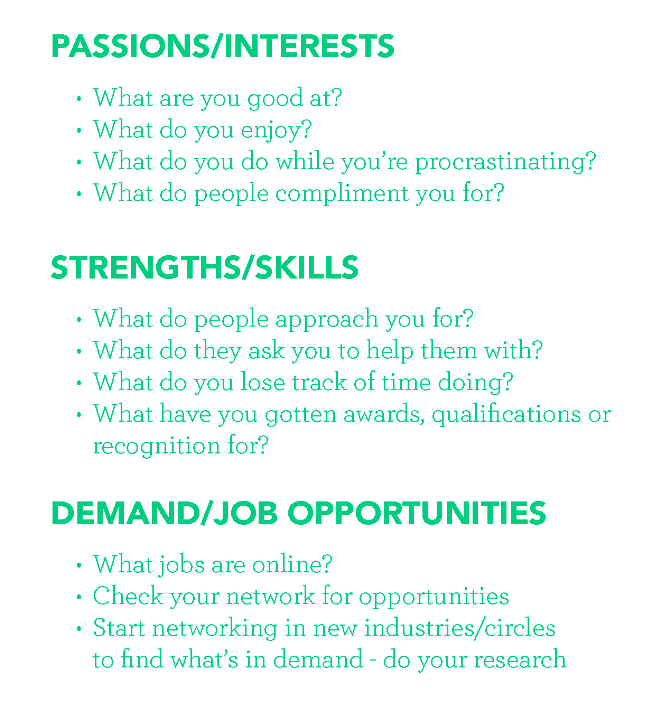
Write down some keywords about yourself on some post it notes. Try to keep it to one
or two words per post it note.
Brainstorm as many things that relate to yourself as you can – think about your personality, strengths, likes, colours, style, descriptions etc etc.
Once you’re done, categorise the post it notes that have similarities. Look for connections or topics that you can use in your branding, like: visuals, tone, message, images, style, personality, values etc.
Who is your target audience?
• What do they look like?
• Where do they spend their time and money?
• What’s special or unique about your audience?
• Why do you want to help them?
• How do you want them to feel afterwards?
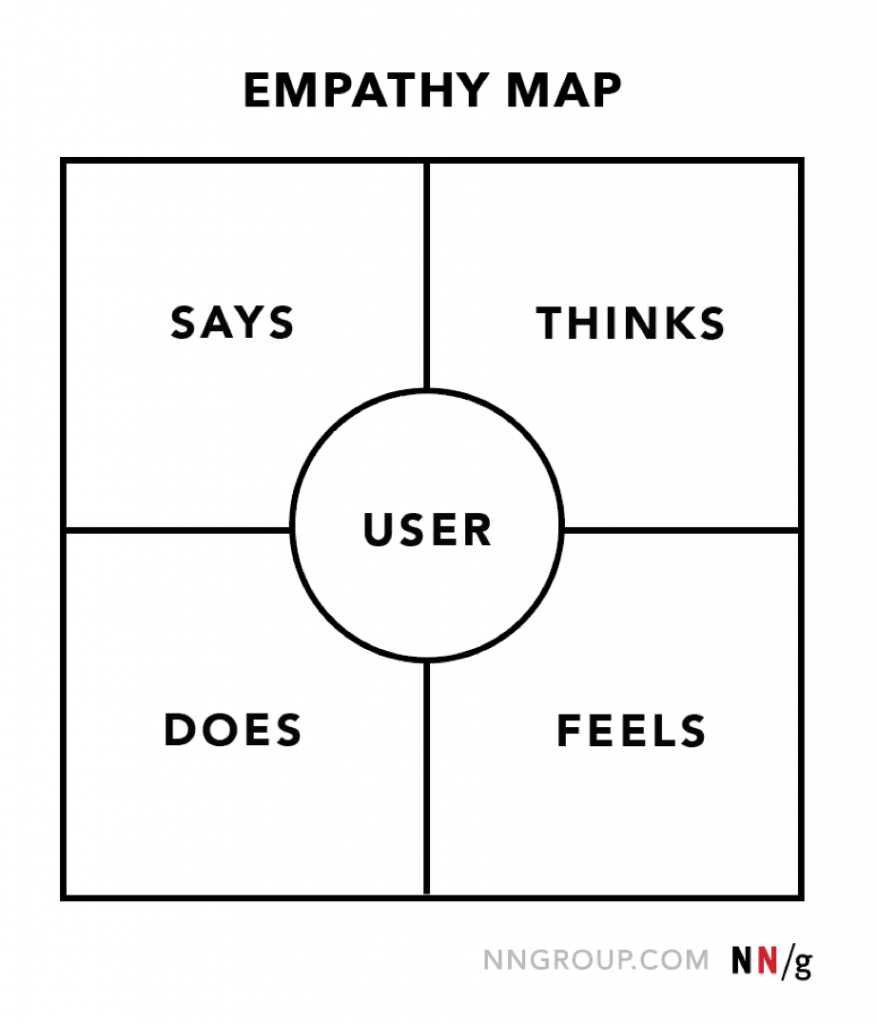
Use the empathy map below as a starting point to put yourself into their position. It’s important to know who your audience are, so that you can focus on creating the right things and giving them the most value.
An empathy map is:
What your target audience says, thinks, does and feels when they might be looking to use your products or services.
Think of it as putting yourself in their shoes for a minute – what would you be saying, thinking, doing or feeling in their position?
Are these positive or negative things? The positives are things you need to be aware of to keep doing, and the negatives are an opportunity for you to offer something different to the competition to alleviate these pain points.
More info: https://www.nngroup.com/articles/empathy-mapping/
Common stuff to include is:
Name, age, gender, and a photo
Demographics and psychographics
Tag line describing what they do in “real life”
Their experience or level of knowledge in the area of your product or service
Context for how they would interact with your product: Through choice or required by their job? How often would they use it? Do they typically use a desktop computer to access it, or their phone or other device?
Goals and concerns when they perform relevant tasks: speed, accuracy, thoroughness, or any other needs that may factor into their usage
Quotes to sum up the persona’s attitude
Wanna go one step further?
• Do some market research & surveys
• Create a persona and do an empathy map
• Conduct some interviews
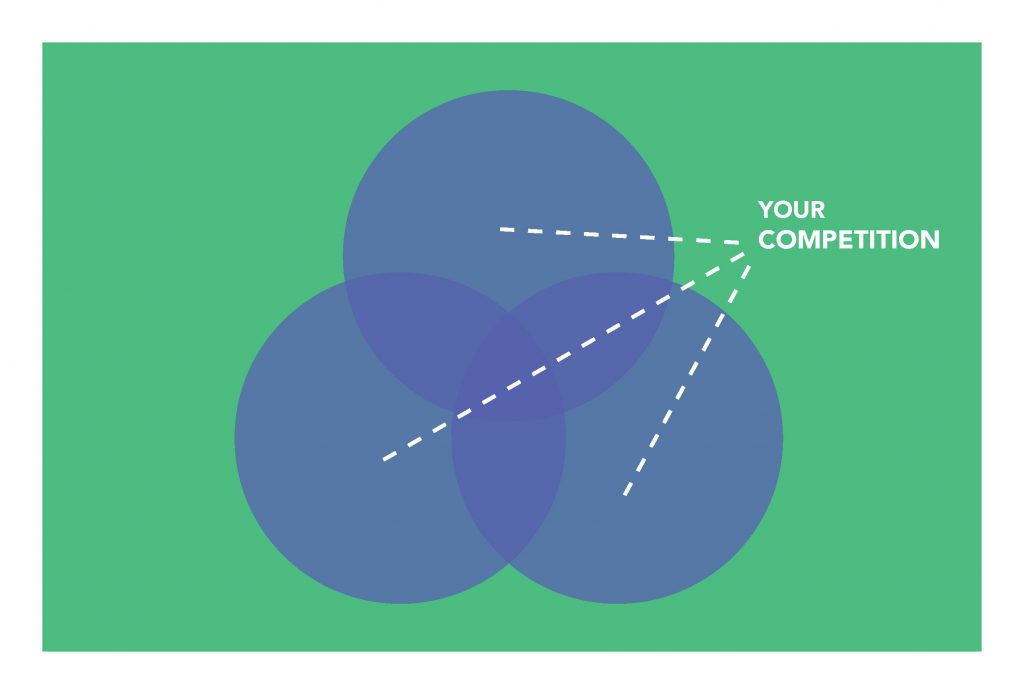
Identify the competition:
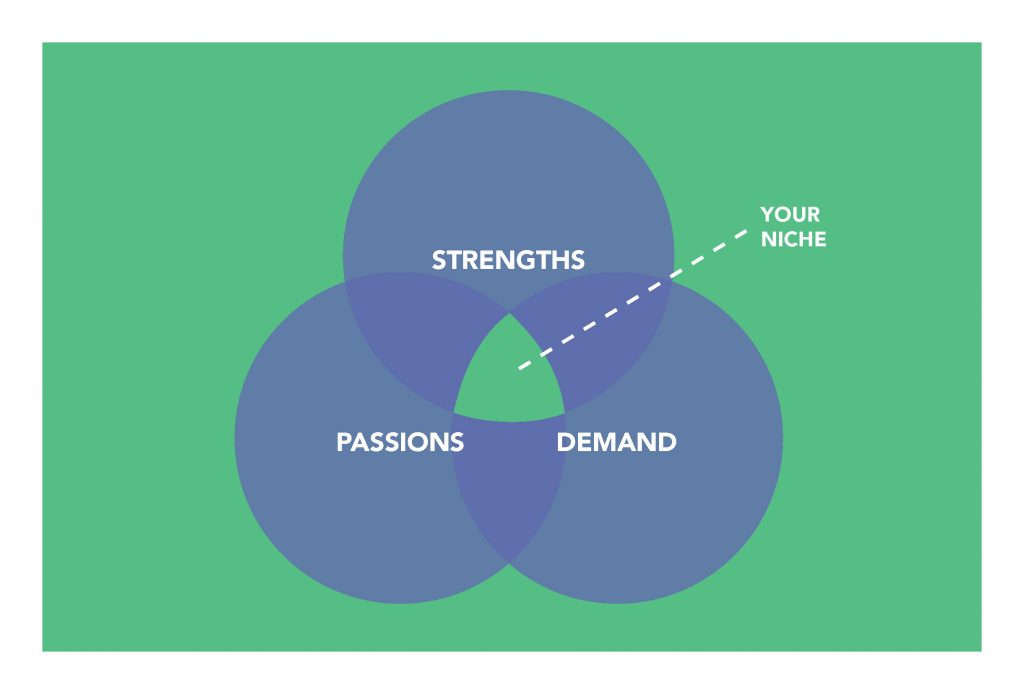
Who else is in the same niche as you?
What style of branding do they have?
What makes each of them special?
Differentiate yourself from them:
What can you offer that they cannot?
How can you stand out from them?
How can you highlight your unique selling point?
Wanna go one step further?
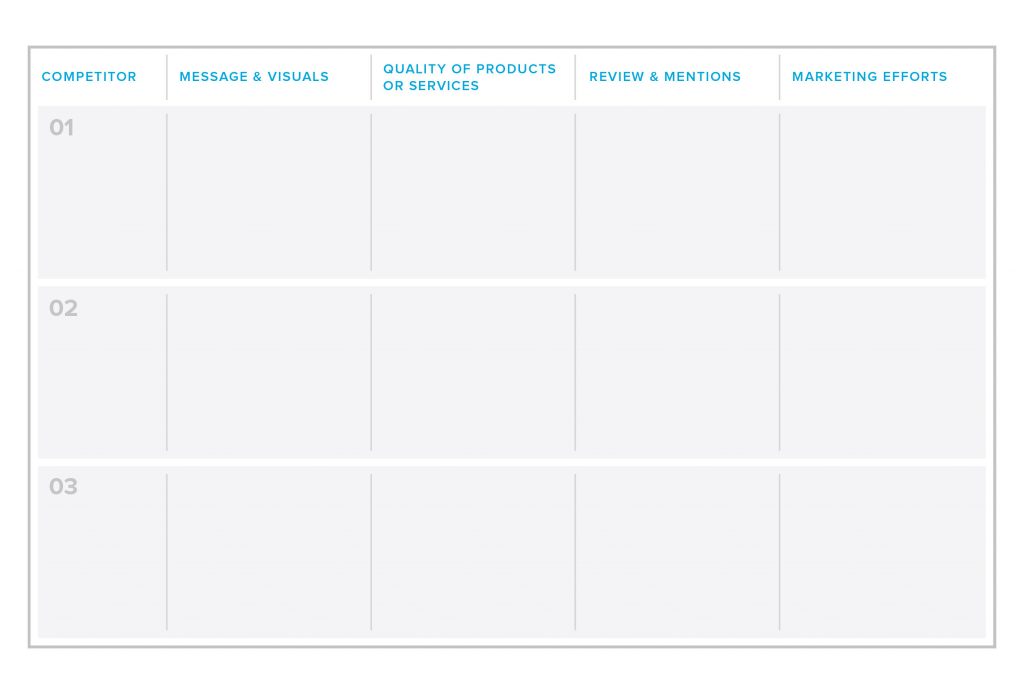
Do a competitive analysis.
Take notes and do a case study on them.
MESSAGE, TONE & STYLE
Message
Who are you and what are you trying to do?
What are your services/offerings?
What is your USP, your top values, why should they hire you over another person?
Tone
What tone are you trying to convey? what feelings do you want to evoke?
tone/vibe – what are some key words that you want to describe your brand?
Style
What sort of style fits you?
Does your style fit your services?
What type of people are you wanting to attract?
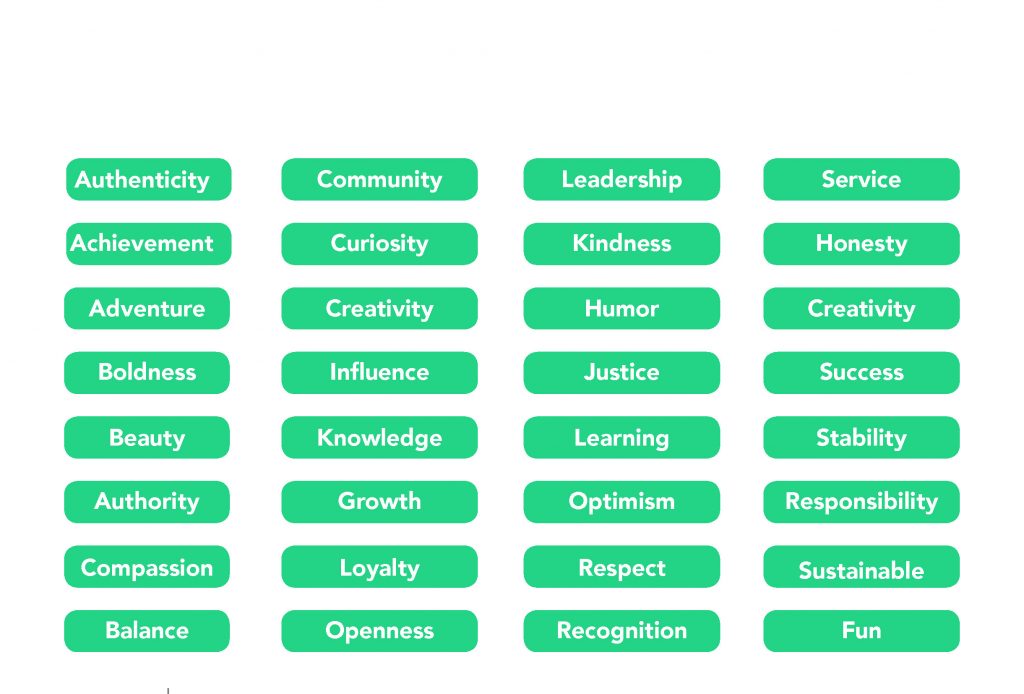
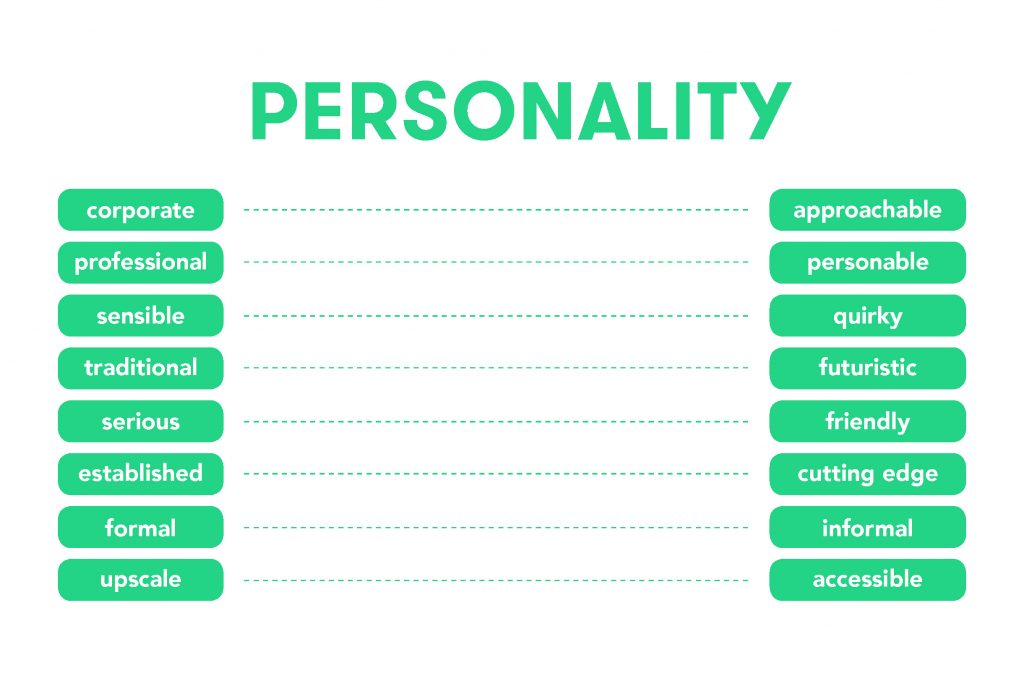
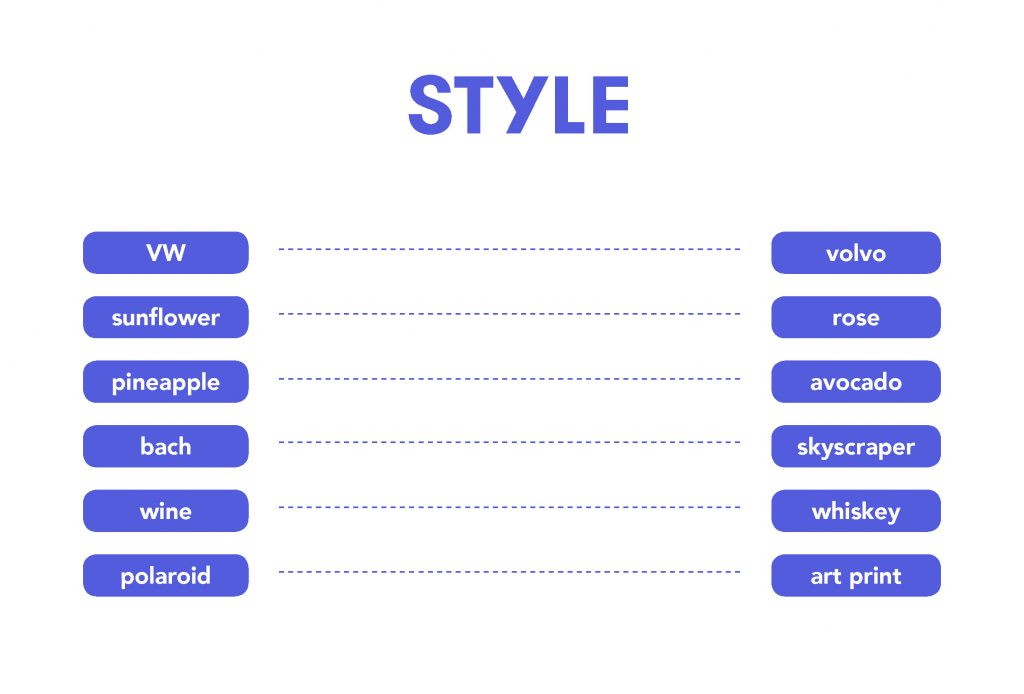
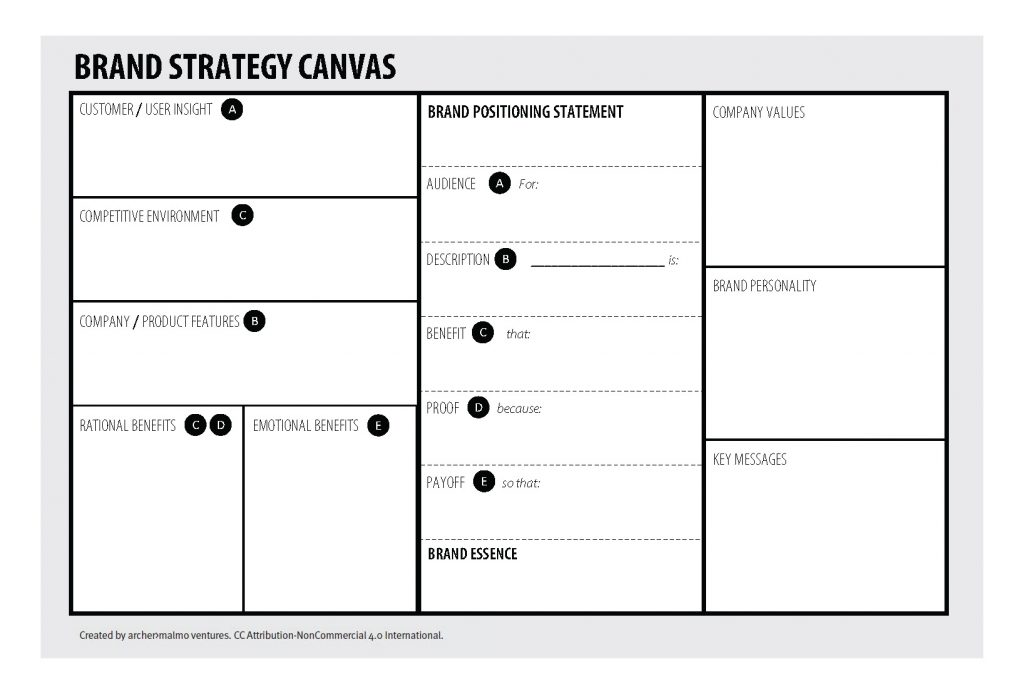
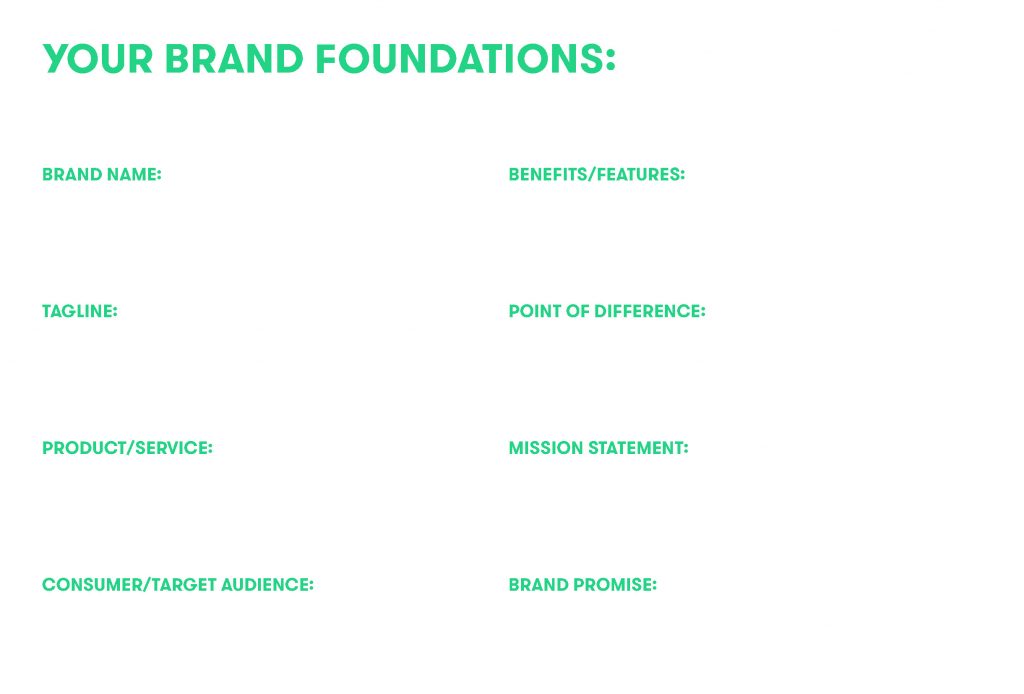
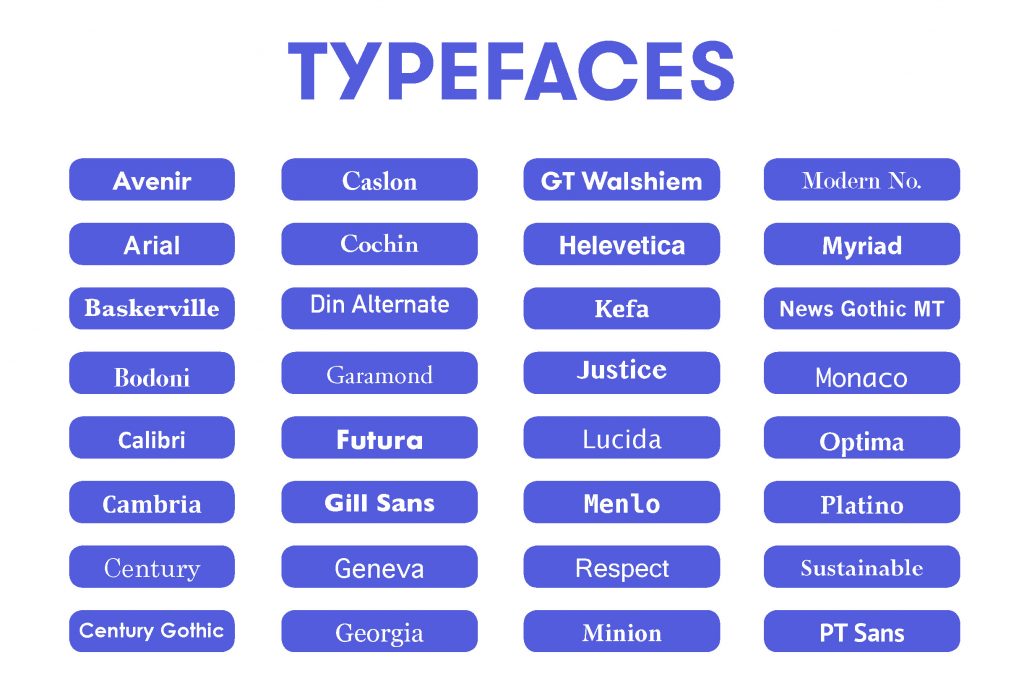
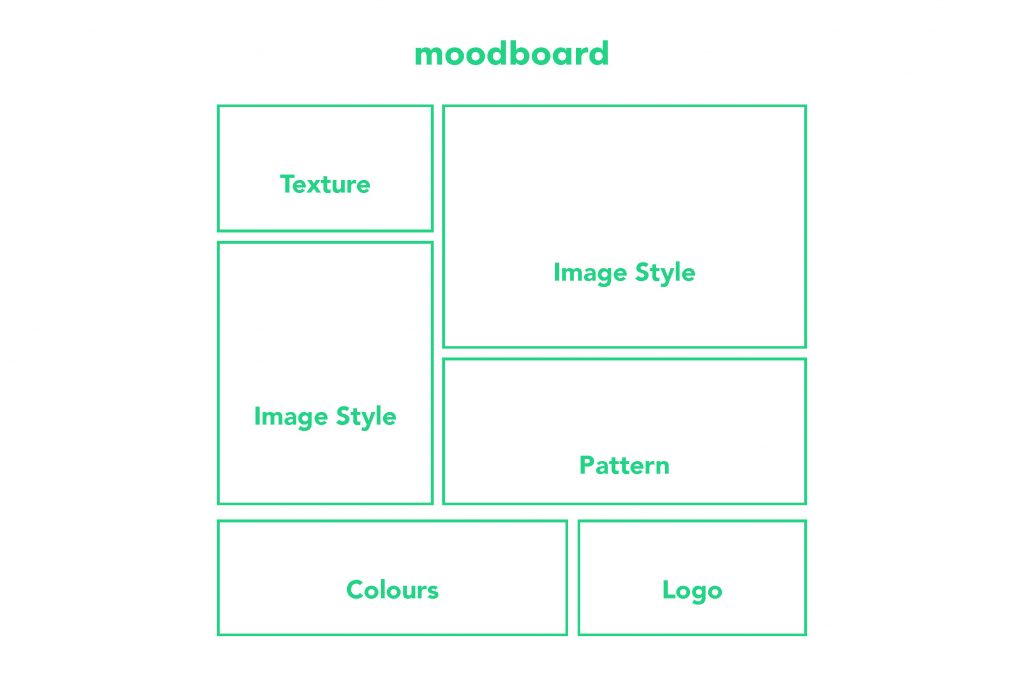
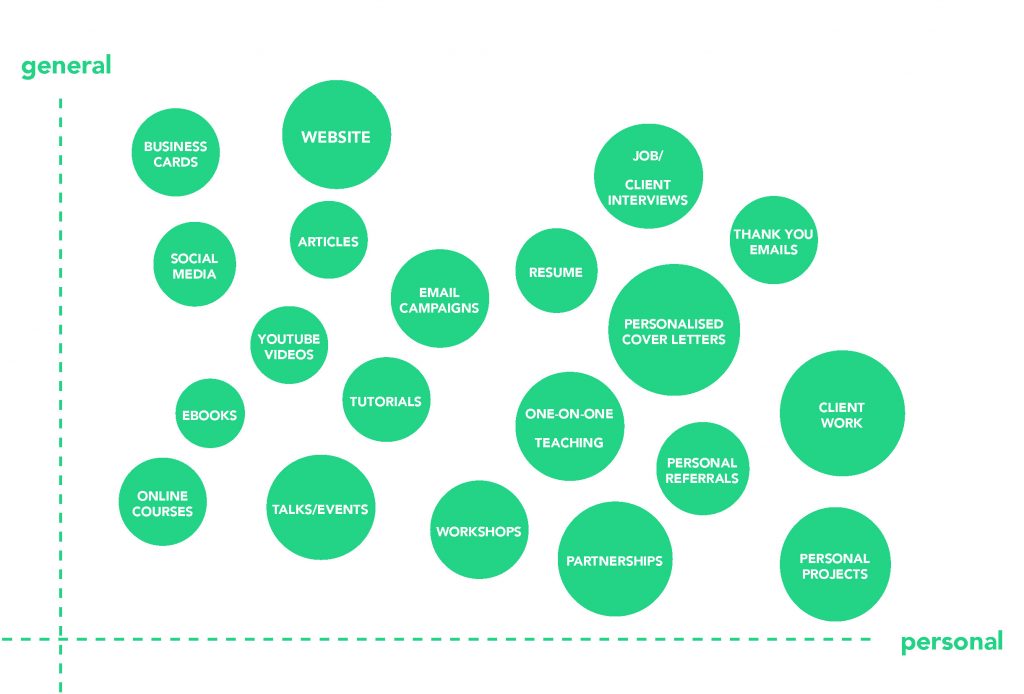
2-5 core brand values Offerings, USP 1 x heading and 1 x body font Moodboard of imagery and colour palette of 2-5 colours Touch points – business cards, cv, cover letter, web presence
Comparing Multiple Variations
Often, showing people more than one possible visual designs helps them identify what they like (or dislike) about each variation. If you ask participants to assess more than one design, be sure to vary the order in which they see the alternatives, since part of people’s response may be influenced by which version they see first.
For example, if one version is easier to understand, those who see that one first will have learned about the content and will be less confused by the other variation. Keep track of which version each person sees first, so you can take it into account when analyzing responses.
What are your touch points?
The deliverables:
do you need a logo, logotype or wordmark?
what digital outcomes might you need?
what printed outcomes might you need?
The visuals:
what style are you after?
what colours do you want to use?
what heading and body typefaces will you use?
The budget & timeline:
what is your budget?
when do you need it completed by?
what is your estimated timeline?
do you need to adjust anything to meet these requirements?
Test & get Feedback
Try it out:
Use it for a while or work with it, have it open on your desktop or print out a copy and stick it up somewhere you’ll see it. See how long you still like it for!
Get feedback! There are two ways in which you can achieve this goal:
5-second test:
5 Second Test: If you want first impressions, present the visuals to a viewer for a short amount of time. Show the viewer your branding for 5 seconds (or for another short period of time). This approach is best for accurately capturing people’s ‘gut reaction.’ 5 seconds of viewing time is too short for reading copy or for noticing details like specific fonts or colors, but it is enough for forming an impression which accurately reflects the visual style.
Assessing Reactions:
Once you’ve shown people your design, the next step is to measure their responses. Here are a few techniques that can be used, from completely open-ended to highly structured:
Open-ended preference explanation: Ask users to explain why they like a design.
Emotional response: Ask them how they feel when they see it and what it makes them think about
Open word choice: Ask users to list 3 to 5 words that describe the design.
Closed word choice: Provide users with a list of words and ask them to pick the words which best describe the design.
Numerical ratings: Collect numerical ratings about how much the design exhibits specific brand qualities using a rating system or a repertory grid.